Here’s what FaceApp can teach us about our digital behaviour



Last week, FaceApp made an impressive comeback. It’s hard to deny, the app’s new filter is haunting. By using AI-powered technology, the app allows users to morph one person’s selfie into the future version of themselves. I haven’t tried it myself, but a friend sent me a selfie of mine where I scarily look like my mother. The technology has improved a lot since the app was launched in 2017 and the results are astounding, giving users the ability to see the future through this computer-generated imagery.
It’s disturbing yet alluring to be able to see what you could look like in 30 years, and it’s no surprise that last Wednesday, the smartphone app became the most downloaded in the U.S. But as soon as the news that an ‘unknown’ Russia-based company that has little data regulations developed the app came out, panic started to spread.
Truth is, the company named Wireless Lab is based in Russia, but the photos are stored on servers run by American companies. Dubious origins or not, the loose privacy rules of the app triggered more concerns—rumour has it that the app could access a user’s entire photo archive, thus entering and possibly controlling one person’s personal data. “It would be deeply troubling if the sensitive personal information of U.S. citizens was provided to a hostile foreign power actively engaged in cyber hostilities against the United States”, Senator Charles E. Schumer wrote in a letter to the FBI, continuing on Twitter, “Warn friends and family about the deeply troubling risk that your facial data could fall into the hands of something like Russian intelligence or military”.
The general panic mirrors some sort of awakening when it comes to the privacy of our data, but if this story can teach us something, it is that the problem doesn’t lie within FaceApp or Wireless Lab. The lack of information, regulations, and caution when it comes to AI and data-based technologies is what we should worry about. Not only because face recognition technology will soon be actively entering our lives (in shop aisles, airports, basically everywhere), but also because FaceApp has very similar corporate rights to its users’ data as Facebook or pregnancy-tracking apps like Ovia. In other words, if you are concerned about your digital privacy, then you should check all the apps you have downloaded and websites you have logged on in the past few years and start panicking for good.
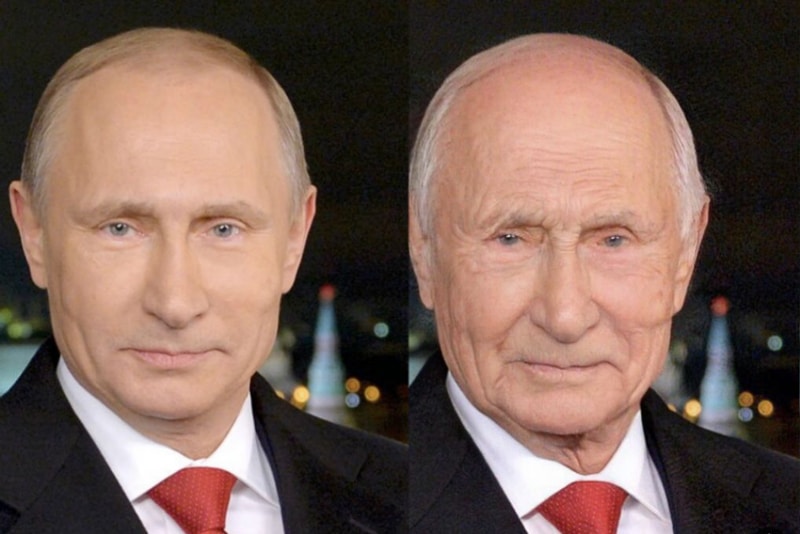
Data privacy is no joke. In countries where freedom of expression is threatened by the government, (unknowingly) giving the authorities and private companies access to extremely personal data could put people in dangerous positions, threatening not only their freedom of speech but also their physical well-being. We are entitled to ask for more clarity on how our data is used by tech companies and for the law to keep up with corporate technology. That said, we, as users, should also be more responsive when it comes to our digital rights, and not freak out when we hear the words ‘Russia’ and ‘data’ in the same sentence.
It requires willpower to let go of online challenges and short-lived apps, among other services, to fully own and manage the AI technologies we hold accountable at the moment. The internet is a tempting place and it’s likely to keep on offering more and more indispensable services in exchange for our private information.
The trade between data and services is so systematically ingrained within the internet algorithm, that as much as we should be informed on how it works exactly, we should also be aware that there’s always a price to be paid. We’ve all been data-whores our entire digital lives, so suddenly wishing for a life of internet abstinence would be hypocritical. In today’s society, extremes don’t work.
If you are still worried about Russia using your wrinkled selfies for whatever reason, FaceApp accepts requests from users to remove their data from its servers. You can send the request through Setting>Support>Report a bug with the word ‘privacy’ in the subject line. Feeling better?
