Beauty creator Golloria George faces discriminatory backlash after criticising YSL blush
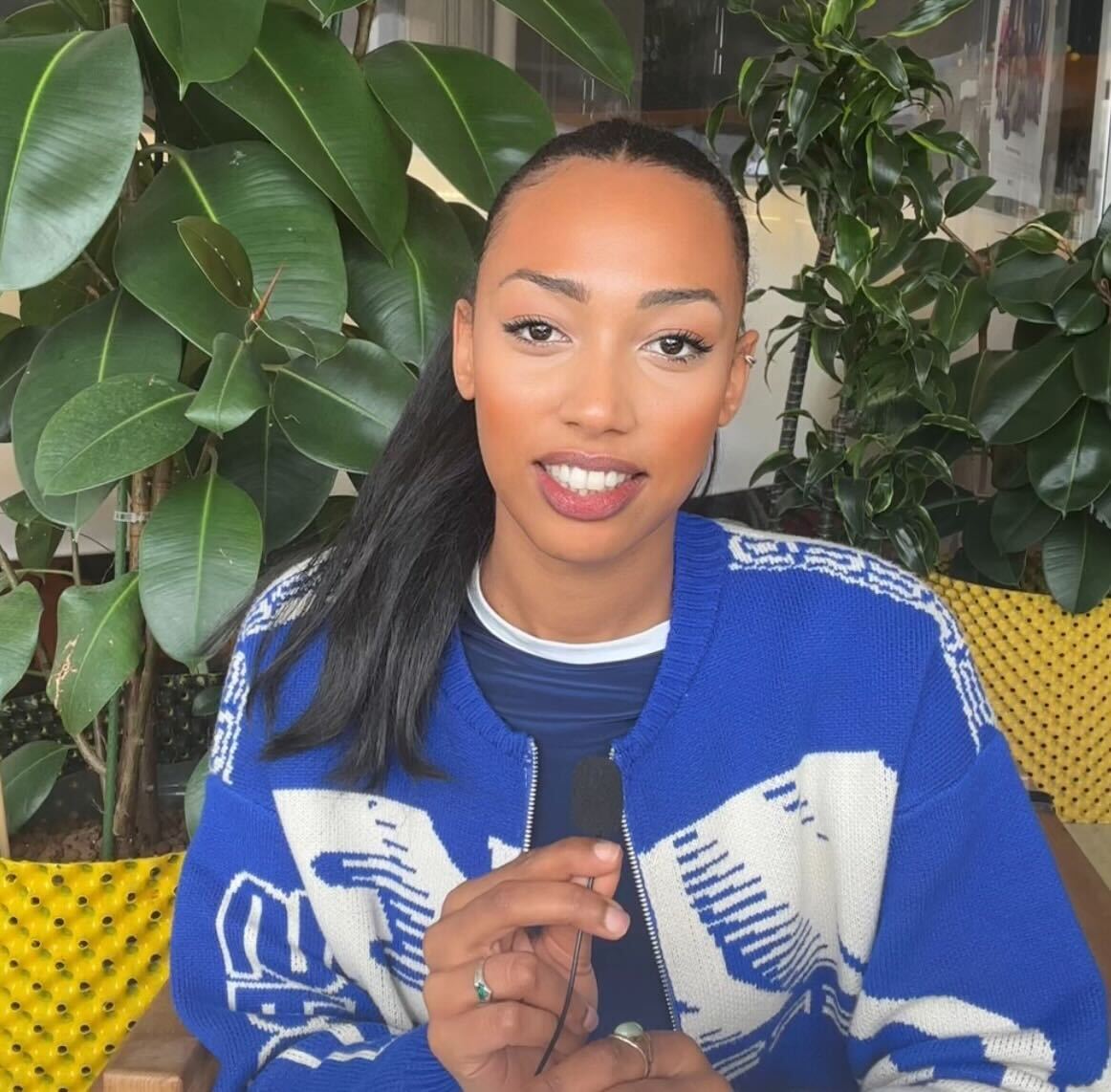


Golloria George, a TikTok creator well-known for her candid make-up reviews, has become a powerful voice in the beauty industry, holding brands accountable for their lack of inclusivity. George, who built her platform by trying the darkest foundation shades on her skin, recently sparked backlash online after giving a frank review of Yves Saint Laurent’s (YSL) Make Me Blush Liquid Blushes. Unfortunately, the influencer’s honest review of the products led to a wave of highly discriminatory criticism, forcing George to take a break from social media.
Why is Golloria George facing backlash right now?
This isn’t the first time George has highlighted the lack of diversity in beauty products for darker skin tones. Earlier this year, she went viral for calling out Youthforia’s darkest foundation shade, which was criticised for being a jet-black colour with no undertones, making it unsuitable for most skin tones.
@golloria the darkest shade of the youthforia date night foundation.
♬ original sound - golloria
George has also reviewed other beauty brands, such as Rhode Beauty, where her critique of their Pocket Blush led to a reformulation of the product. The makeup brand, led by Hailey Bieber, responded positively to George’s feedback, and after retesting the product, George approved it. Bieber publicly thanked her for the constructive criticism, demonstrating the kind of positive outcomes that can arise when brands listen to feedback from diverse consumers.
@golloria a sinister ASH!
♬ original sound - golloria
However, George’s latest review of YSL Beauty’s blush range did not follow this path. After receiving the product, George swatched the blushes on her skin and found that none of them worked for her complexion. “They all have a white base, and none of these are going to work on skin as dark as mine,” she explained in her video, urging the brand to “take it back to the lab.”
@golloria 6 shades of DEY PLAY!
♬ original sound - golloria
The criticism didn’t stop with George. Another creator, Monica Ravichandran, also expressed her frustration with YSL’s Lavender Lust shade, presenting to the camera how it looked completely different on her darker skin tone compared to how it was advertised on Sephora’s website. Both George and Ravichandran highlighted a key issue: brands need to stop falsely advertising shades for darker-skinned models when the product doesn’t actually work for them. Ravichandran pointed out that this is “false advertising.”
@monica.raviii Shoutout to my bestie @jazzi manalo 💄 for pointing out the swatches because…. I have no words 🤣 #yslbeautyblush#browngirlmakeup#lavenderblush#yslbeauty#makeupswatches#melaninmakeup#makeupcolortheory#colortheory
♬ original sound - Monica Ravi-Conway
Despite their valid points, both creators faced significant backlash, especially George, who was met with a flood of dismissive comments. Some self-appointed beauty experts chimed in, accusing her of complaining about products that “weren’t meant for her.” Apparently, expecting blush to show up on your skin is just too much to ask. Others questioned why YSL would send her shades not designed for darker skin as if brands haven’t figured out inclusivity yet in 2024. Naturally, as the criticism escalated, so did the usual parade of online racists, eventually pushing George to announce that she’d be taking a break from TikTok.
Why does the beauty industry continue to fail Black consumers?
This entire controversy highlights a frustrating and persistent issue within the beauty industry: the lack of inclusive products for darker skin tones. Despite years of conversations about shade diversity, many brands still fail to cater to Black and brown consumers. Even when darker shades are offered, they are often not stocked properly, leading to a further breakdown in trust between Black consumers and beauty brands.
As explained by beauty journalist Funmi Fetto, while cosmetic brands are making some strides in diversity, most skincare brands continue to fall short. By predominantly featuring white women in their campaigns, these companies implicitly assume that their audience and consumer base are white. At the majority of large beauty brands, key senior members remain overwhelmingly white, which inevitably influences what gets showcased in advertising. As a result, many Black women feel they have to overlook this homogeneity to uncover products that work for them.
As George and other creators have noted, this is not a new issue. The conversation about the lack of diversity in beauty products has been ongoing for years. Many brands seem to approach this problem as if they’ve only just learned how to formulate for darker skin tones, which is inexcusable in 2024. The knowledge exists; the lack of inclusive products is no longer just an oversight, it’s a choice. And consumers like myself are no longer willing to accept apologies after the fact.
This struggle for inclusivity also touches on a deeper issue: trust. For Black consumers, finding products that suit their skin tones is already difficult enough, but it becomes even more challenging when brands do not stock those shades in stores. Drugstores, for example, often cite low sales as a reason for not keeping darker shades on shelves, but it’s a catch-22. Without consistent stock, how can anyone judge the demand for these products? This lack of availability only reinforces the cycle of mistrust between Black consumers and beauty brands.
Nonetheless, as reported by McKinsey & Company, the numbers paint a stark picture of the inequality in the beauty industry. While Black consumers account for 11.1 per cent of total beauty spending, Black-owned brands only make up 2.5 per cent of the industry’s revenue. Black consumers are also three times more likely to be dissatisfied with the beauty products available to them, especially in the areas of hair care, skincare, and makeup. Moreover, Black beauty brands raise significantly less venture capital—$13 million compared to the $20 million that non-Black brands raise—despite showing 89 times higher revenue growth over time.
The need for greater equity in the beauty industry is clear. It’s not just about offering more inclusive shade ranges; it’s about stocking these products reliably and ensuring that Black consumers feel seen and valued in beauty advertising and beyond. The persistent underrepresentation of Black people in every level of the beauty industry only exacerbates the problem.
