Andes plane crash survivors have ‘no regrets’ over eating human flesh to avoid starvation



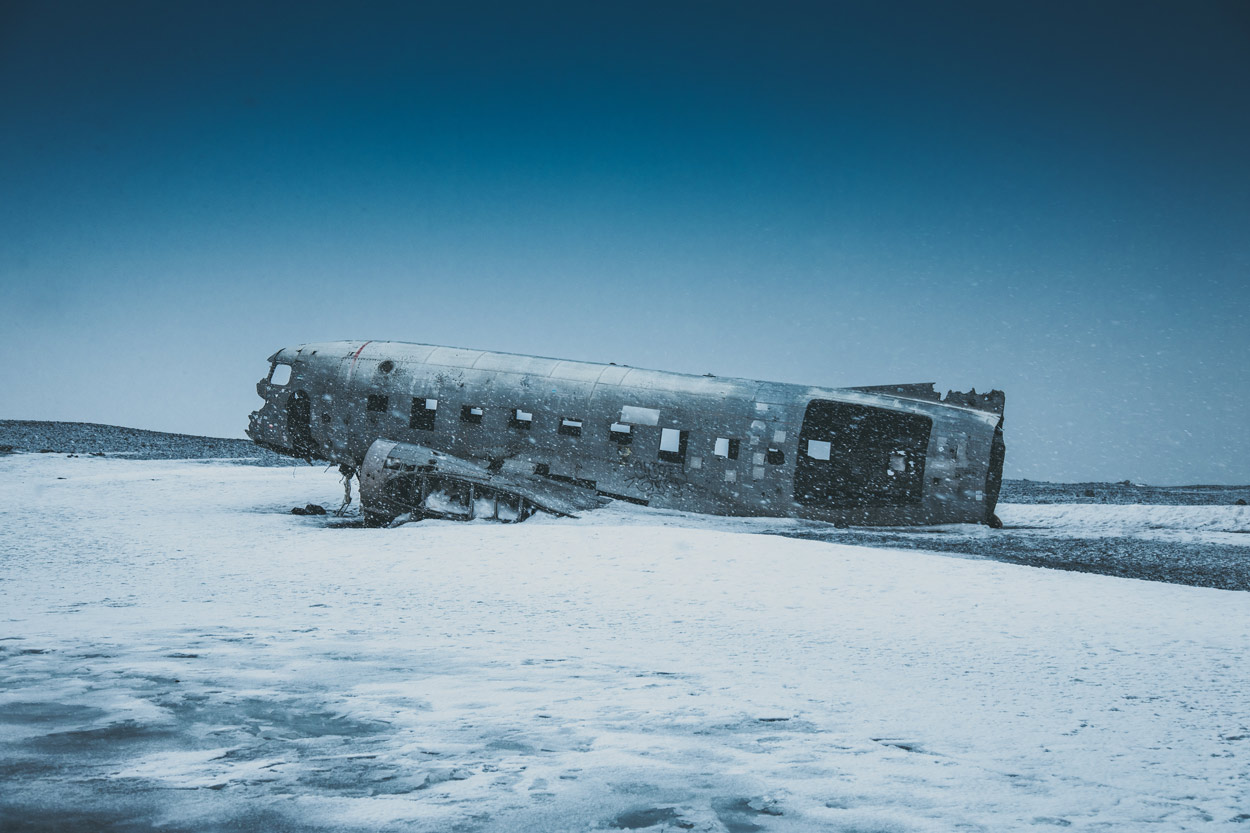
On 13 October 1972, a plane that was transporting a group of rugby players from Uruguay crashed into the Andes mountains. Until their rescue 72 days later, the few survivors endured severe injuries, brutal temperatures, and heartbreaking circumstances. Finally—after having exhausted all other alternatives—they were forced to resort to cannibalism, eating human flesh from the dead bodies that surrounded the plane debris in an attempt to stay alive.
Uruguayan Air Force flight 57 had been tasked with carrying an amateur rugby team to Santiago, Chile. According to The Independent, the co-pilot wrongly believed that the flight had already reached Curicó, and therefore began the flight’s premature descent.
However, due to the pilot’s miscalculations, the aircraft collided with the side of a mountain—instantly severing the tail and both wings of the plane. The middle of the plane hurtled down a glacier for 725 metres, crashing into the snow and ice, and immediately killing 45 crew members and passengers on impact.
Over the course of the next month, 17 more people lost their lives due to either the harsh conditions or injuries obtained during the crash. In a similarly heart-wrenching tragedy, another 13 individuals were killed in an unforeseen avalanche. Following this, only 16 people remained, stranded within the Andes mountain range.
It wasn’t until 22 December 1972 that two helicopters carrying search and rescue teams located the remaining survivors and lifted them to safety the following day.
Roberto Canessa, who at the time was a 19-year-old medical student and is now a renowned paediatric cardiologist, described the ways in which the remaining survivors banded together to stay alive. In a 2016 interview with National Geographic, Canessa explained: “Everyone had a role, and because I was a medical student, I was in charge of the injured persons. I had to drain infections from the boys’ legs and stabilise fractures.”
He continued: “We melted snow to get water. We filled our rugby socks with meat for the trek out and used the insulation from the kitchen to make sleeping bags. At night, we used rugby balls to pee in because if you went outside your pee would freeze. You get very smart when you are dying.”
The surgeon also delved into the survivors’ mentality surrounding cannibalism, and his own reasons for deeming it a “generous death.” Canessa stated, “I’ve had these discussions for 40 years. I don’t care. We had to eat these dead bodies, and that was it,” he began, “the flesh had protein and fat, which we needed, like cow meat. I was also used to medical procedures so it was easier for me to make the first cut. The decision to accept it intellectually is only one step, though.”
“The next step is to actually do it. And that was very tough. Your mouth doesn’t want to open because you feel so miserable and sad about what you have to do. My main issue was that I was invading the privacy of my friends: raping their dignity by invading their bodies. But then I thought, if I were killed, I would feel proud that my body could be used for others to survive.”
“I feel that I shared a piece of my friends not only materially but spiritually because their will to live was transmitted to us through their flesh. We made a pact that, if we died, we would be happy to put our bodies to the service of the rest of the team,” Canessa concluded.
Another survivor, Ramon Sabella, told The Times: “Of course, the idea of eating human flesh was terrible, repugnant. It was hard to put in your mouth. But we got used to it.” Another individual, Carlitos Paez, told the publication that, for anyone interested, human flesh “doesn’t taste of anything, really.”
Canessa has detailed the entirety of the harrowing experience in his 2016 book, I Had To Survive: How a Plane Crash in The Andes Inspired My Calling To Save Lives.
