The disturbing TikTok trend sexualising fake Down syndrome faces using AI filters
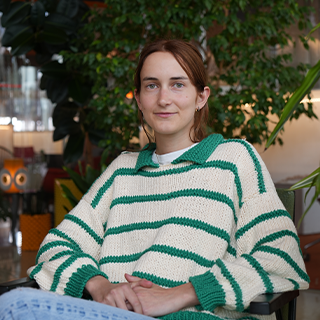


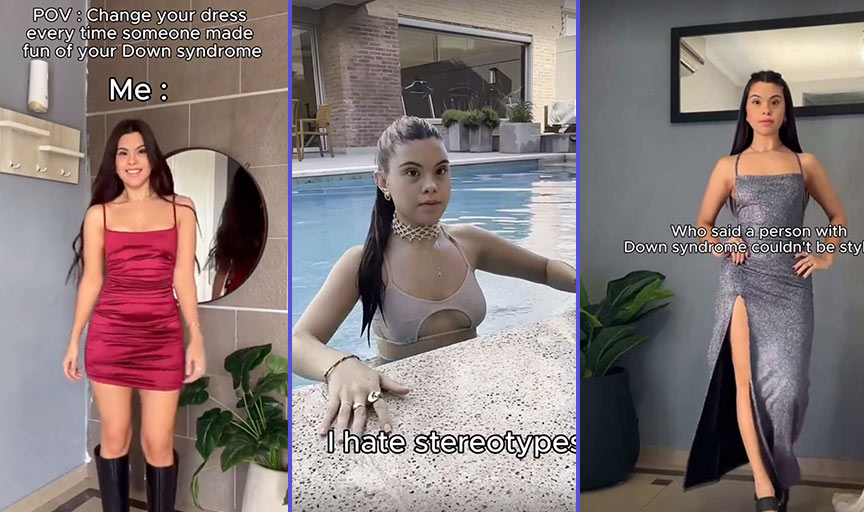
There’s a trend going viral on TikTok that feels like it was made in a moral vacuum. At first glance, the videos look like your usual thirst traps: suggesting dance moves, pouty lips, soft lighting. But take a closer look, and it becomes clear that what you’re watching isn’t just AI-generated, it’s portraying a fake version of someone with Down syndrome.
These clips often show women with facial features altered to resemble those of people with Down syndrome, paired with revealing outfits, exaggerated facial expressions, and flirty or suggestive poses. Some even redirect viewers to adult content platforms. It’s a manufactured identity, and one that’s being sexualised for engagement.
@rikki I just don’t understand how a down syndrome filter is even a thing??? 😔 it honestly breaks my heart 💙 the world can be so cruel sometimes 💭 @Erborian @ELEMIS UKI @CeraVe @LANEIGE UK @Naturium @Medik8 @Tatcha US
♬ Passionfruit (Instrumental) - Luke Muzzic
@juliejoise ✋🏻#fyp #trending #viral #downsyndrome #filter #downsyndromefilter #stupid #random #foryou #foryoupagе #explore #reletable #tiktoktrend
♬ Whos that girl - نور أميرة
TikTok filters have always been a breeding ground for weird trends, but this one crosses a very real line. Instead of making someone look older or cartoonish, these AI filters are designed to imitate a marginalised group. And rather than being used in an educational or positive way, they’re being paired with sexualised behaviours and then shared with zero context, just shock value.
Many of these videos rack up hundreds of thousands of likes, shares, and comments. But to disability advocates and people with Down syndrome, they’re not just offensive, they’re degrading.

Charlotte Woodward, a disability rights activist who has Down syndrome, spoke to the New York Post about how upsetting these videos are: “Not only do I find it disturbing, I find it personally upsetting. I also feel anger and outrage.”
The National Down Syndrome Society (NDSS) called the trend out for “exploiting disability for clicks,” urging social media platforms to take stronger action. Its CEO, Kandi Pickard, said the content “demonstrates a total lack of respect and understanding” and called it a clear example of digital dehumanisation.
Meta (which owns Instagram) and TikTok both say their guidelines apply to AI-generated content and claim to remove harmful or offensive videos. And yes, some filters have reportedly been pulled since the backlash began. But many of these videos are still online and gaining views, and that’s part of the problem. Creators know they can push these boundaries without facing real consequences.
Until enforcement catches up, this kind of content will keep slipping through. And with AI filters only getting more realistic, the line between trend and deepfake harm keeps getting blurrier.
This trend isn’t just uncomfortable, it’s a reflection of how fast AI tools are being misused, and how often marginalised groups are the ones impacted. Using tech to mimic a disability, especially in a hyper-sexualised way, isn’t satire or “edgy humour.” It’s exploitation. It turns someone’s lived reality into a caricature.
And it raises bigger questions: Who gets to control how disabilities are portrayed online? What does it say about us when this kind of content goes viral? And what responsibility do platforms have when tech allows for this kind of mimicry?
TikTok trends come and go, but the impact of normalising this kind of content lingers. If you see one of these videos on your feed, don’t share it. Don’t give it more reach. And if you’re someone who wants the internet to be a more inclusive space, start by holding creators (and platforms) accountable.
Just because something goes viral doesn’t mean it deserves our attention.
