Watch out Starlink, Amazon and Verizon are teaming up on a new satellite broadband


Amazon is continuing its monopoly over every industry you can imagine, as news surfaces of an Amazon and Verizon team-up to bring a satellite internet expansion across the rural US, CNBC reports. Amazon CEO Andy Jassy explained the reasoning behind the collaboration in an official statement, “There are billions of people without reliable broadband access, and no single company will close the digital divide on its own.”
The partnership is with Amazon’s Project Kuiper—a subsidiary of the company, launched in 2019, with an aim to deploy a wide reaching satellite internet constellation for broadband connectivity—which is said to complement and expand upon Verizon’s 4G/LTE and 5G network system goals. “Verizon is a leader in wireless technology and infrastructure, and we’re proud to be working together to explore bringing fast, reliable broadband to the customers and communities who need it most. We look forward to partnering with companies and organisations around the world who share this commitment,” Jassy continued.
Project Kuiper—officially titled Kuiper Systems—is a proposed network of 3,236 satellites that the tech giant will operate to bring high-speed broadband connectivity to any location in the world. According to The Verge, the $10 billion project aims to see the deployment of such satellites at a low-Earth orbit to better aid internet access to remote and rural areas across the planet. Project Kuiper has also previously claimed that early testing showed speed results of up to 400 megabits per second. So, how would this benefit Verizon?
Well, instead of having traditionally laying fiber cables—a method that can be incredibly arduous and sometimes economically disadvantageous, especially in rural locations—the internet giant would be able to construct 4G and 5G towers in such areas. This much more accessible and cost-effective method could be the necessary change that would broaden Verizon’s reach across the US. Although Amazon has not yet succeeded in launching any of its Kuiper satellites, the Federal Communications Commission (FCC) authorised the project in 2020. This authorisation came with some deadlines.
As of now there does not appear to be a definitive or specific timeline for the expansion of the partnership project, it’s looking like Amazon will not have half its Kuiper satellites in orbit until 2026—with the full constellation network expected to be launched by July 2029. Although we’re betting that Amazon will probably find a way to make it happen (if its work ethic, or lack thereof, is anything to go by) as the race for faster internet connectivity only quickens.
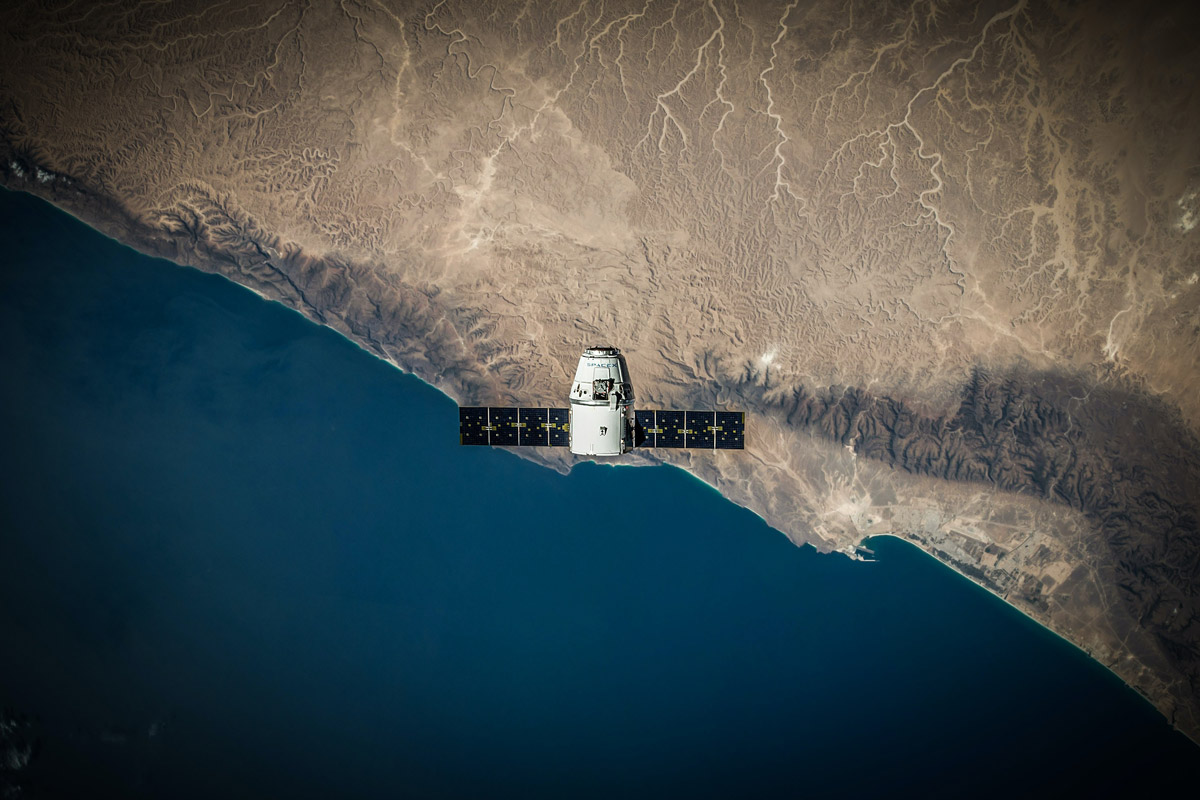
According to TechCrunch, this partnership may not be so much about providing internet connectivity to those with limited access, but more of a strategic decision to combat Elon Musk’s (SpaceX’s) Starlink service that is speedily making grounds. If Starlink is able to cement itself as a new leader in broadband connectivity, both Amazon and Verizon could take huge hits in customer loss—especially with corporate clients like Google.
If Musk’s recent win with NASA wasn’t enough to annoy Bezos, his Starlink network just might. In fact, SpaceX’s Starlink network is well on its way to become (if not, is) that early leader with 1,740 of its satellites already launched and over 100,000 users testing its current public beta (costing a pretty penny of course at $99 a month).
If you’re interested in getting the billionaires’ broadband then you, as a consumer, would need to invest in purchasing dish antennas in order to receive the internet connectivity emitted by the satellites. Both Starlink and Project Kuiper have released antenna designs, with Amazon’s roughly half the size of Starlink’s. But of course, you guessed it, SpaceX has already requested an updated license to be authorised by the FCC to develop a smaller antenna.
Huh, male billionaires usually have a ‘whose dick is bigger’ competition, now I guess it’s ‘whose smallest’.
