Bottoms: How queer cinema has gone from tragedy porn to teehee jokes


When I first came out, I looked to movie characters to feel seen and understood. One year, my uncle came over for Christmas holding a bundle of DVDs and insisted we watch them together. One of those films happened to be the 1999 drama Boys Don’t Cry. The movie follows Brandon Teena, played by cisgender actor Hilary Swank, who navigates life while being transgender in rural Nebraska. Near the end of the film, Teena is brutally murdered—a tragic ending, and one made that bit more traumatic knowing that the film was based off of a real person’s life.
I didn’t actually make it that far into the film. I had to leave the room when the infamously upsetting scene began. I found it so hard to watch Teena be dehumanised and tortured, especially because I knew it had actually happened in real life. To put it bluntly, I was scared that this could one day happen to me.
For a long time, these kinds of movies were one of the only ways LGBTQIA+ people could see themselves reflected on-screen. Films like Brokeback Mountain, My Own Private Idaho and even Rent have all fallen into the tragedy porn category of queer cinema.
It doesn’t take a genius to realise that seeing people in your community repeatedly being denied happy endings does not do great things to a person. Repeat after me: representation really does matter.
Among this pool of depressing LGBTQIA+ cinema, there have always been queer filmmakers pushing the boundaries. In the same year that Boys Don’t Cry was released, we were also gifted with the truly iconic lesbian comedy But I’m a Cheerleader, directed by queer filmmaker Jamie Babbit.
Babbit’s satirical take on LGBTQIA+ stories, particularly conversion therapy, was revolutionary for the 90s and has rightfully gained a reputation as a cult classic.
When cheerleader Megan, played by Orange Is The New Black’s Natasha Lyonne, is suspected by her parents of being a lesbian, she is sent to a conversion therapy camp. Unfortunately for them, Megan discovers a beautiful world of queerness and falls in love with one of her fellow campers. It is surprisingly ahead of its time and especially worth a watch if you want to see RuPaul wearing a ‘Straight Is Great’ T-shirt.
But I’m a Cheerleader was just the start. In between the traumatic queer dramas like the recent biopic The Danish Girl, there have been more and more releases that tell the community’s stories. Today, LGBTQIA+ cinema no longer revolves around the deaths of its characters, but is instead expanding to much more realistic and hopeful depictions.
In 2022 alone, we were blessed with a fabulous queer horror comedy in the form of Halina Rejin’s Bodies Bodies Bodies plus a charming yet slightly too-on-the-nose rom-com featuring a male couple in Bros.
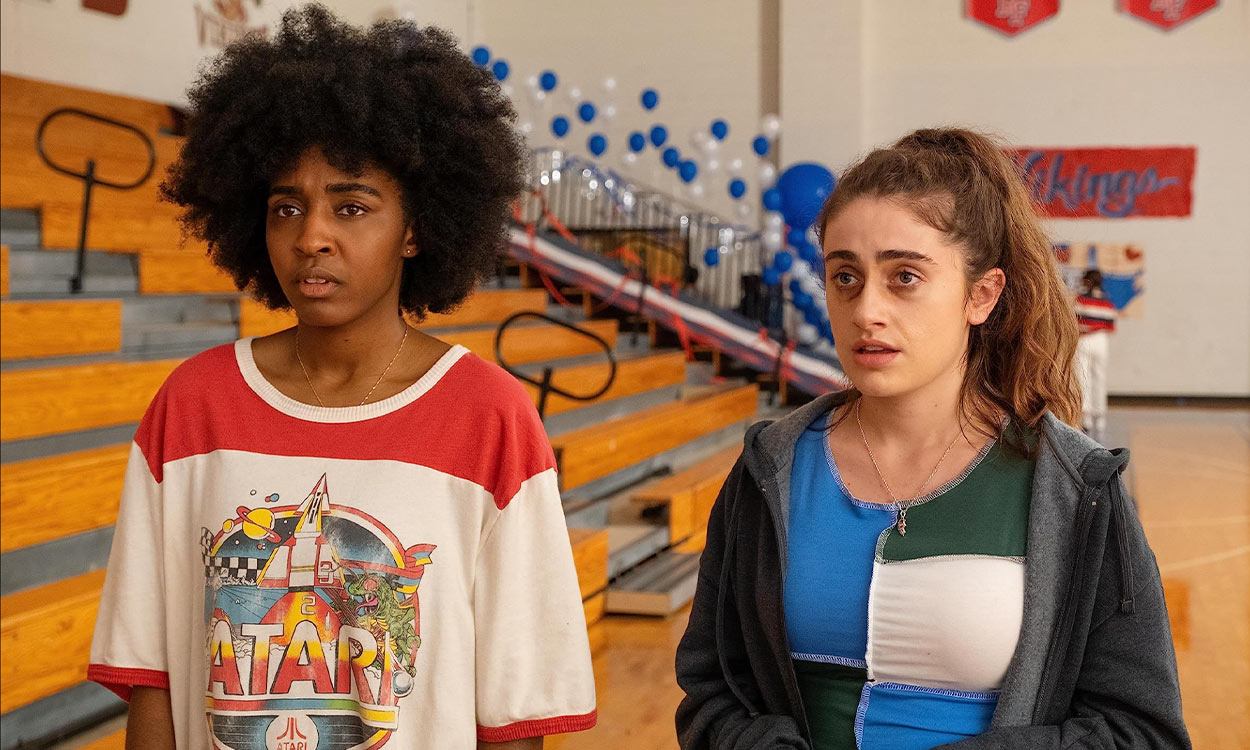
The one I’ve been most excited about? Well, it has to be the iconic lesbian comedy that is Bottoms. The film has been dubbed the “lesbian version of Fight Club,” and it lives up to its nickname. For those of you who don’t know the basic plot, here’s how it goes: when high school best friends PJ, played by Rachel Sennott, and Josie, played by Ayo Edebiri, decide to start a fight club to meet girls and lose their virginities, things get out of hand real quick.
It has yet to be released in the UK, so us Brits are sufficing by sadly scrolling on Letterboxd and stalking Sennott’s Instagram.
@connorpulli No bc when is it out #bottoms #bottomsmovie #rachelsennott #ayoedebiri #shivababy #emmaseligman #queertiktok #letterboxd
♬ original sound - lola baum
The film’s release represents the change in how LGBTQIA+ comedy is being approached compared to 30 years ago. When But I’m a Cheerleader came out, it was an anomaly in the queer cinematic canon that broke the unspoken code of tragic portrayals. LGBTQIA+ cinema wasn’t really made for gay people, it was for the straights instead.
However, Bottoms is unashamedly and unapologetically aimed at queer audiences. Director Emma Seligman is bisexual herself, and wanted to rewrite the narrative of growing up as an LGBTQIA+ person. The director told The New Yorker: “I want these girls to feel empowered because I wasn’t empowered in high school, I wasn’t out, and I’m course-correcting.” Seligman added that she wanted to make the “teen sex comedy” she wished she could have had as a queer young person.
This new era of cinema is not here to pander to Oscar nominations, it’s here to give queer audiences the films that they have needed and deserved for generations. They can see themselves reflected on-screen, and are able to see their community in front of and behind the camera. Just last month, non-binary director Sammi Cohen released their second movie You Are So Not Invited To My Bat Mitzvah—we’ll overlook the Adam Sandler nepo baby topic for now.
Things are finally taking a step in the right direction, with queer filmmakers starting to be able to express themselves in their movies. Queer communities are so much more than death and prejudice—it’s called Pride for a reason, duh. It’s amazing to now see cinema reflect the love, acceptance and solidarity that is so often the foundation of LGBTQIA+ lives.
