A Pfizer/BioNTech vaccine has been approved in the UK, what’s next?


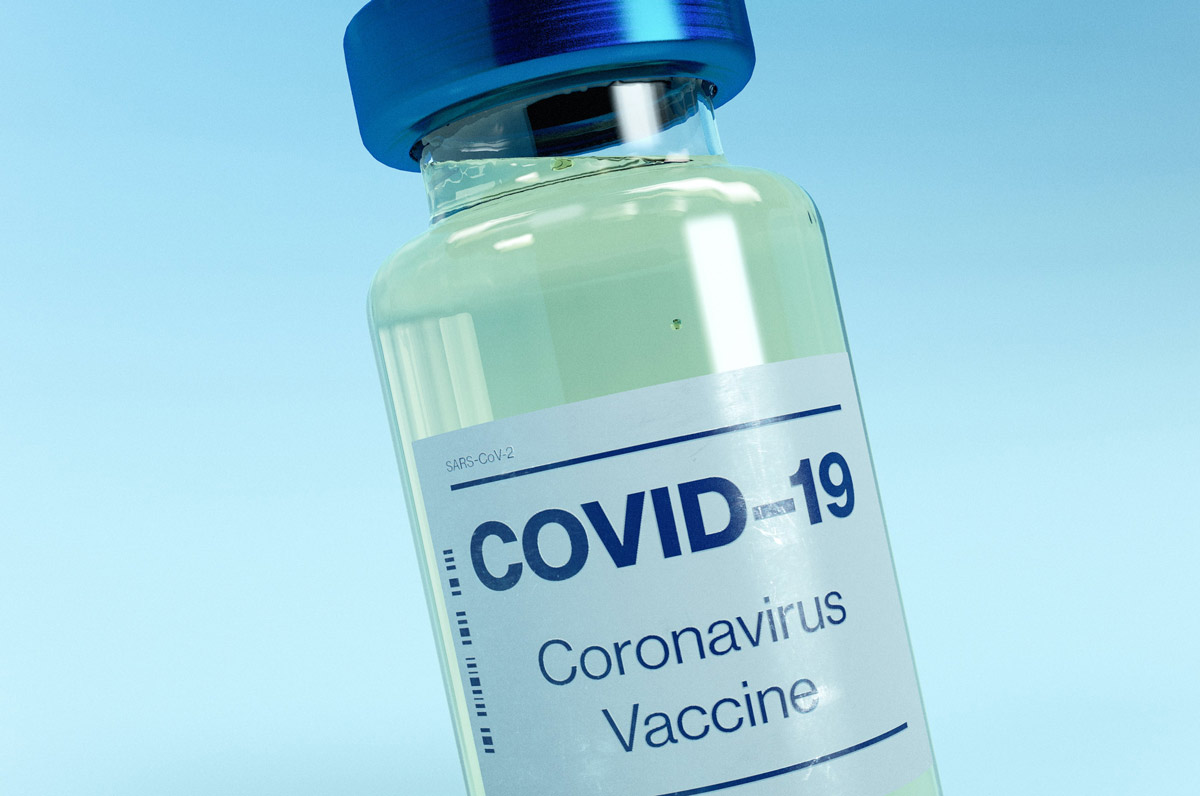
A COVID-19 vaccine developed by Pfizer and BioNTech has been approved for use in the UK, making it the first country in the world to pave the way for mass vaccination. Yes please and thank you very much, freedom beckons to us all! But before we all get too excited too quickly, who is Pfizer/BioNTech exactly and when will the vaccine get rolled out for everyone?
Who is Pfizer and BioNTech?
BioNTech is a German biotechnology company based in Mainz that develops and manufactures active immunotherapies for patient specific approaches to the treatment of diseases. Pfizer is an American multinational pharmaceutical corporation—one of the world’s largest pharmaceutical companies actually. The company has a rich heritage of working within the UK since its first facility was opened in 1952.
Now, Pfizer and BioNTech have together created a candidate for preventing COVID-19 infections, a vaccine officially called BNT162b2, which on 2 December 2020, was granted a, temporary Human Medicines Regulations (HMR) authorisation by the UK government for its release in emergency use. In other words, the vaccine’s rollout is planned to begin imminently.
How effective is the vaccine?
BNT162b2 is about 95 per cent effective. The phase three trials of the vaccine involved 42,000 people, about half of whom got the experimental vaccine while the rest were given a placebo. In total, 170 people fell ill with COVID-19 as a result, and only eight of them were among the vaccinated group, leaving 162 of the contaminated candidates to be within the placebo group. That, my friends, is a very healthy statistic, considering that the World Health Organisation has said that it would have been happy with just 50 per cent success.
What is in the vaccine and how does it work?
The active ingredient is messenger ribonucleic acid (mRNA), which carries instructions for making the virus’ spike protein, which it then uses to gain entry to cells. The mRNA is synthetic and not extracted from the actual virus, it is delivered in a minute sphere of inert fatty material called a lipid nanoparticle.
The RNA bearing nanoparticles are suspended in a saline solution and injected into muscle tissue in the upper arm, then the mRNA is lapped up by specialist immune cells and sets out to follow instructions that create the spike protein (which is recognised as foreign by our immune systems, and therefore attacked by them) just as they would do if the cells had become infected with the real COVID-19 virus. Our immune system will have learnt how to defeat the pathogen and will in turn be primed to mount a swift response if it encounters the virus again.
The way vaccines work, in simpler terms, is by containing a weakened or inactive part of a particular organism, in this case COVID-19 (which is the pathogen), which triggers our immune system to ‘en guard’ and fight it off. It takes time for our bodies to respond and produce the antibodies (our immune systems’ health workers) to fight off the pathogen. In the delay, the person will become ill.
However, once the antibodies are produced and successfully fight the disease it will also create a memory response, so our bodies know what to do when the disease is encountered again. Essentially, a vaccine inputs a fake or dead pathogen which allows our bodies to learn how to fight it off, so when and if it does ever come into contact with the disease, it will, hopefully, kung fu it immediately back to nowhere land.
When will there be a mass vaccination in the UK?
Pfizer announced in a press release that the first doses of the vaccine are already on their way to the UK, with about 800,000 due to arrive in the coming days. The UK’s Health Secretary, Matt Hancock, stated that the NHS will contact people about the vaccination jabs soon, adding that the most vulnerable and high-priority citizens would gain access to the vaccine first. This included elderly people in care homes, care home staff members and then followed by the over 80 year olds and general health care staff.
The UK’s Prime Minister Boris Johnson urged the public not to get carried away with over optimism or fall into the naive belief that the struggle is over. One fact we must all expect is that this process isn’t going to be entirely smooth sailing as the vaccine itself is a vulnerable little thing.
It must, at all costs, be kept in facilities that will store it below 70 degrees celsius for it to survive, which makes it exceptionally difficult to transport around the world, especially to warmer climates, as you can imagine.
That being said, the UK has ordered 40 million doses of the jab, which should be enough to vaccinate 20 million people, with two separate doses required for the treatment to work. The bulk of the rollout in mass vaccination is to be expected to happen next year, in 2021. Hancock added in his statement on the BBC that “2020 has been just awful and 2021 is going to be better.” The UK is first, but the rest of the world is next. For now, wash your hands, wear the damn mask and know that there is a sweet tune of relief in the air which we will soon all be able to dance to, up close and personal. Anti-vaxxers not invited.
