New policy aims to make it easier to report sexual assault in the US military



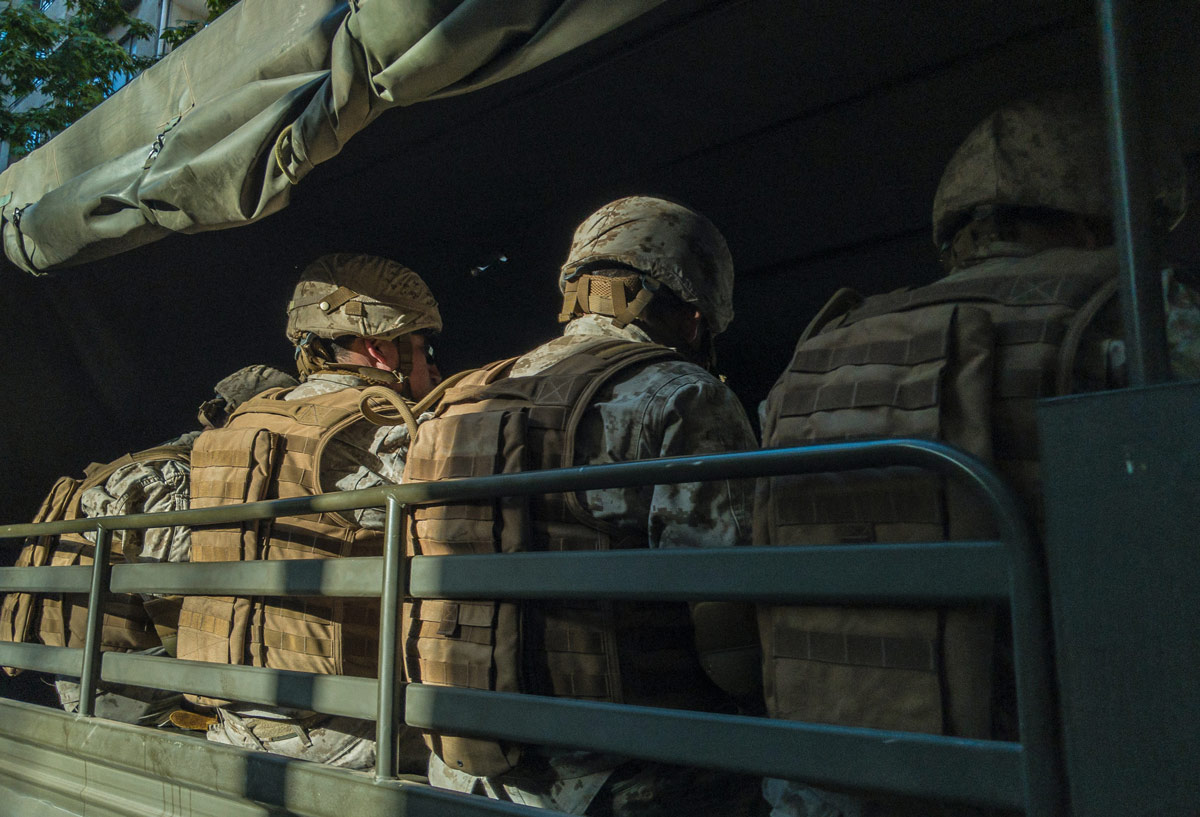
According to a Department of Defense (DoD) report on sexual assault in the US military, in just 2020 alone, there were 7,816 reported instances of sexual assault involving a member of the armed forces—6,290 of which took place while the associated service member was on active duty. Considering the fact that these numbers are probably not completely accurate, due to the remaining stigma and hesitancy surrounding reports of such abuse, it should be noted that the DoD’s findings have likely been underestimated.
In an attempt to increase the number of survivors willing to come forward, a new military-wide policy is taking shape in the US. Titled the Safe-to-Report Act, the new order directs commanding officers to not take any notice—unlike before—of certain ‘minor’ infractions that a victim may have participated in as part of the circumstances surrounding their assault, so long as those infractions haven’t jeopardised a mission or caused other significant harm as a result. Examples of minor infractions (previously used to discredit victims) have included underage drinking, an unprofessional relationship with the accused or violation of other lawful orders, which can include curfews, off-limits businesses and housing policies.
If, when using these new guidelines, a commander finds that any collateral misconduct is not minor, they will then retain the ability to charge the victim. If the misconduct is proved to be ‘minor’, it won’t be prosecuted, but commanders can still refer survivors to substance abuse or behavioural health screening if there is a concern.
“The Safe-to-Report policy will allow us to build on the support we strive to provide to victims of sexual assault, while ensuring due process for the accused and good order and discipline for the Force,” Pentagon Under-Secretary Gil Cisneros wrote in a recent Pentagon memo advising commanders of the new rules, as reported in Military Times.
The policy was included in the most recent National Defense Authorization Act and championed in Congress by Senators Chuck Grassley and Kirsten Gillibrand, who first introduced the measure early 2020. “Sexual assault is a pervasive problem across our military and far too often we are failing to support and protect survivors,” Gillibrand said in a statement last spring, when the amendment first passed the Senate Armed Services Committee, as reported in Mic.
“Not only do too many survivors still fear retribution for reporting their experiences, but they also lack confidence that justice will be served if they come forward. We must do more to provide a safe environment for our men and women in uniform to report instances of sexual assault,” the Senator continued at the time.
While the military has long struggled with addressing how it uncovers and pursues (or doesn’t) assault cases among its ranks, the issue of sexual abuse in particular surged back into the public’s eye in 2020. At the time, 20-year-old Fort Hood army specialist Vanessa Guillén was found dead just months after telling her family she had been sexually harassed by another soldier.
Guillén’s mother told ABC News that her daughter had clearly stated what had happened to her, yet when she asked her whether she had reported “that bastard,” Guillén had said no because she feared they wouldn’t believe her, “They laugh at all the girls that have gone and they don’t believe them.”
While the Safe-to-Report policy will never be able to solve sexual assault in the military on its own, it shows potential for lowering the barriers for reporting—perhaps just enough to help some survivors come forward and get the justice they deserve.
The policy also drops as the Pentagon is working to implement dozens of other recommendations. One of those changes is to take prosecution of sexual assaults out of a commander’s hands, which will require a law change. If that legislation ends up interfering with the Safe-to-Report Act, the Joint Service Committee on Military Justice will then be in charge of revising it in order to keep it current.
