Looking back at 2019, the year we grew numb about how absurd our world has become


If 2018 ended on a panicky note, 2019 terminates in a mildly more subdued manner. Not because the world is any less crazy (on the contrary, it gets nuttier by the second), but because in the frenzy of global insanity we’ve grown rather numb and undeniably dismayed.
When we glance at our phones and scroll through the news, when we step out into an unseasonably hot February morning, when our closest friend tries to sell us crappy protein supplements on their insta—we can’t help but look at life somewhat cynically. It’s as if things had lost meaning and consequence; as if accountability and reason were cast aside as relics of an obsolete past, like Fergie and iPods and cable television. President Trump couldn’t have expressed it more accurately when, right as Congress was voting to impeach him, he shouted in a stadium full of supporters, “It doesn’t really feel like we are being impeached.”
But what lies beneath these festering sarcasm and indifference? A sense of bewilderment. Of helplessness. Of crippling isolation. And how could we not feel those things? The world around us is shifting in such extreme ways, no wonder we feel paralysed.
Our planet, for one, continues to face an existential threat due to human activities. This isn’t only a climate crisis, as is ingrained in our minds by mainstream culture, but rather a complete collapse of our ecological systems. From pollution of water sources and deforestation to damaging agricultural and ranching methods—our actions perpetuate an orgy of environmental destruction and an over-exploitation of natural resources.
This chaos is evident in politics, too, with our institutions and governing systems rapidly disintegrating. In the US, divisions along political lines have grown so deep, and the onslaught on the rule of law and pillars of democracy by corporate and self-interest have become so overwhelming, that promoting any agenda effectively has become an impossible task. In Europe, the stability of the EU and the UK is under threat by a looming Brexit (among other causes), which reflects a global trend of rising nationalism and separatism. Meanwhile, wealth gaps widen, poverty continues to plague communities across the world and global migration becomes more prevalent due to violence, changes in climate and depletion of resources.
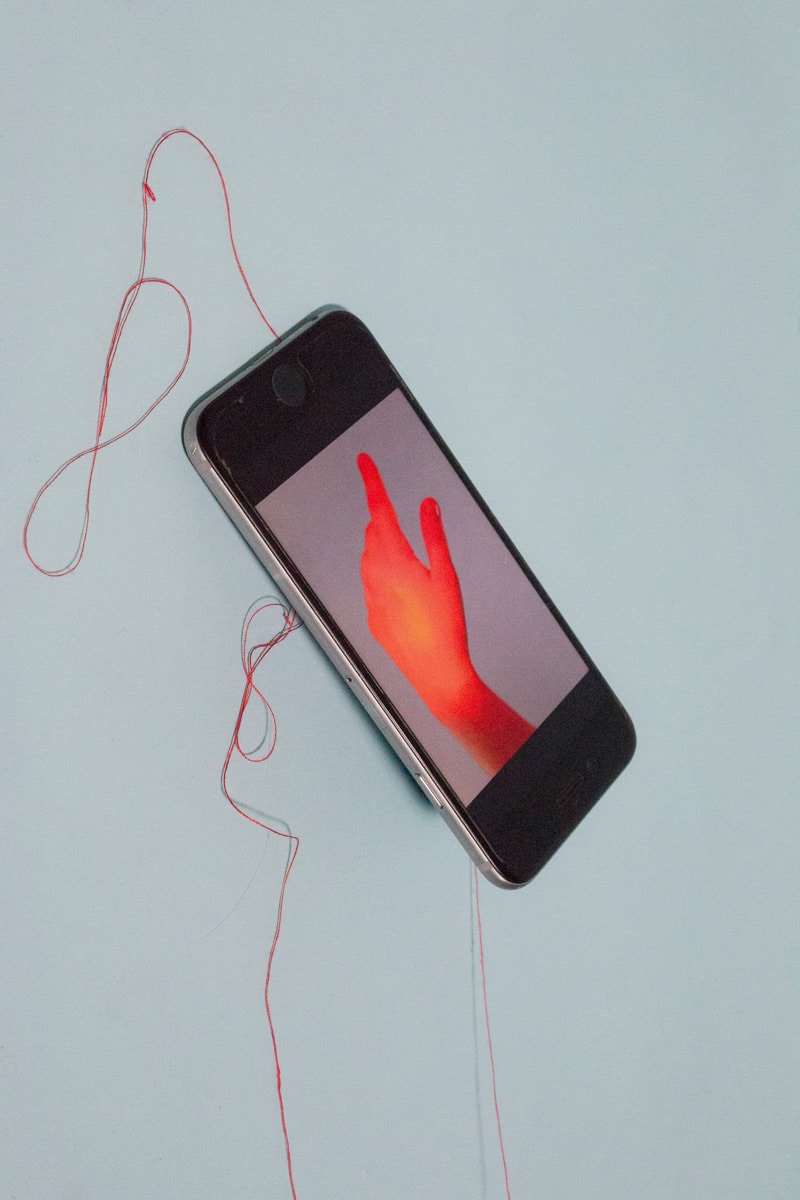
And what about our daily lives? It seems that a great many of us collapse into bed after a day replete with swiping and posting and shopping and listening to a million new tracks and meeting hot strangers on Tinder dates feeling… well, unfulfilled. Globalisation and the digitisation of a growing number of sectors seem to be opening up a trove of new career paths for millennials and Gen Zers, and yet over-saturation of the market, rising costs of living and the concentration of wealth at the hands of major corporations render many of us unemployed and bereft of reliable prospects for financial security. The advent of social media exposed us to a new realm of social interactions, trend-building and methods of self-expression, and yet it seems that we are more lonely and insecure than ever, and that our worlds grow smaller and smaller with every year that passes.
It appears that we are simply overwhelmed by the sheer magnitude of changes and events concocting around us. As Jia Tolentino put it, it feels as though we are swept along a current toward “an inexorable future”; one that we have no control over or the power to shape. And while push-back is happening—as people endeavour, for instance, to raise awareness of mental health issues exacerbated by online culture and more movements emerge in order to tackle the ecological crisis—such efforts often prove to be divisive and fractured, and attempt to rectify grievances while feeding into the very systems that created them in the first place.
What keeps us trapped in this vicious cycle of paralysis is our tendency to view major issues, such as climate change and gun violence and mental illness and unscrupulous corporate behaviour, as isolated, external problems. We fail to recognise our role in perpetuating such trends through the illusion that our being ends at the edge of our skin and that the way we lead ourselves through the world bears no ramifications on the trajectory of our collective story. In other words, our detachment from ourselves leads us, in turn, to detach from our surroundings; from earth itself. It inspires in us the notion that we can consume without consequence; that we can nose-dive into the race-to-the-bottom of extracting resources and fighting for scraps of attention and be okay as long as we win our own portion of wealth and comfort (and to hell with the others). After all, nationalism is but an external manifestation of our own state of being. We can clamour against the injustices of capitalism until our throats crack, but will never transcend or perfect this model if we see ourselves as separate beings whose thriving comes at the expense of others.
Once we delve inside and revisit what is at the core of our dissatisfaction and anxiety, and once we begin to perceive ourselves as connected beings who impact one another, we may notice that the future is, perhaps, not so inexorable after all. It is completely within our ability to choose how we wish to conduct ourselves in the face of these changes, and explore what patterns in our daily lives we can either break or adopt in order to live more authentically and in a more conscious manner—be it the way we consume media, the effort we make to converse with those who disagree with us, or the way we engage with our immediate environment.
As we herald a new decade, we’re faced with the opportunity to wake from our slumber and choose to be proactive in shaping our lives. Starting with minor choices and careful introspection, we may generate a shift in attitude and consciousness that will gradually reverberate. And while it seems as though we sink deeper into our isolated echo chambers and are splintered off in myriad directions, our paths have, in fact, never been more intimately intertwined.
