Student loan forgiveness: Unpacking President Biden’s contested plan to wipe out student debt



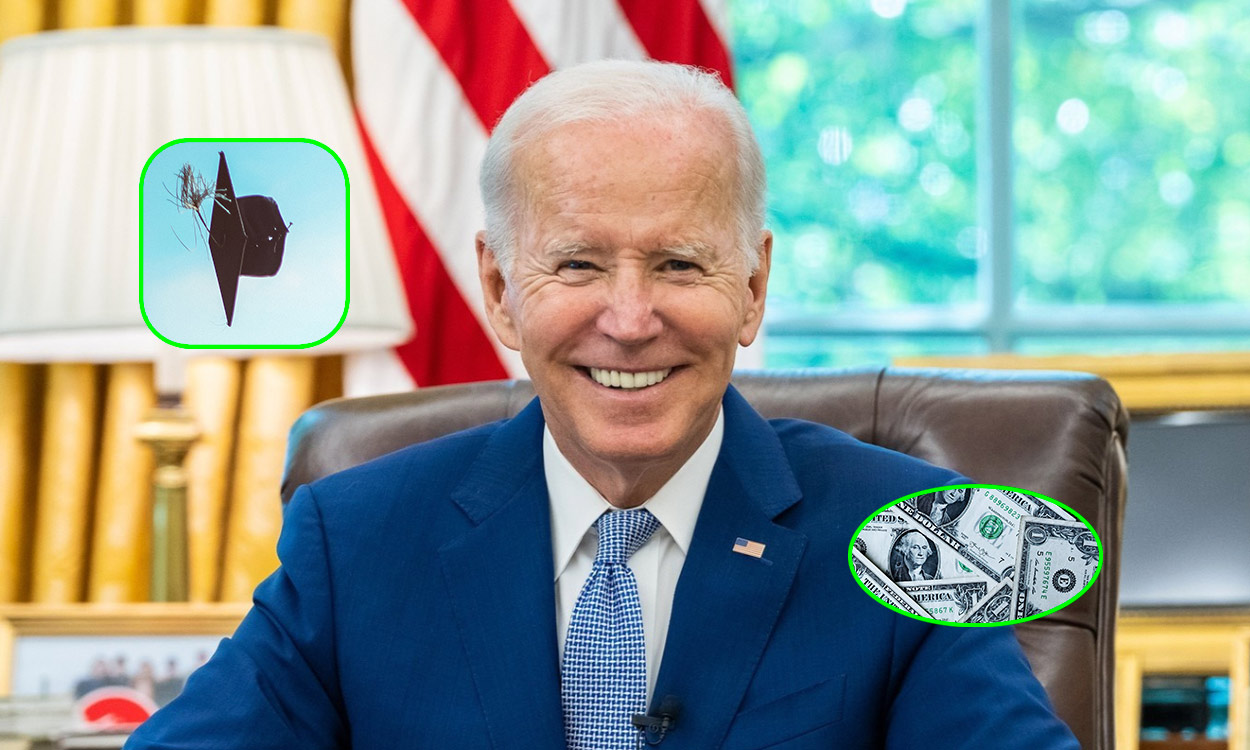
In August 2022, President Joe Biden announced a three-part plan to alleviate the burden of student loans for low to middle income borrowers. The scheme, should it be approved, would provide “targeted debt relief as part of a comprehensive effort to address the burden of growing college costs and make the student loan system more manageable for working families,” as stated by The White House.
According to research by CollegeBoard regarding trends in college pricing and student aid, since 1980, the total cost of both four-year public and four-year private college has nearly tripled, even after accounting for inflation. Moreover, federal support has not risen at the same rate. As stated by the data, total federal grant aid decreased by 32 per cent in inflation-adjusted dollars between 2011 and 2012 and again between 2021 and 2022. Pell Grants declined by 36 per cent ($14.6 billion).
Who qualifies for the student loan forgiveness program?
Geared towards helping families who’re still struggling with the impact of the COVID-19 pandemic, the plan would cancel up to $10,000 in federal student loans for Americans who earned less than $125,000 each year.
What is a Pell Grant?
The federal Pell Grant refers to funding awarded to undergraduate students who display exceptional financial need and have not earned a bachelor’s, graduate, or professional degree.
As of the end of 2022, there are currently 6.1 million recipients of the Pell Grant in the US. Pell Grant individuals could have up to $20,000 of their student debt relieved.
Why are people divided over the student loan forgiveness plan?
While, on the surface, this scheme may seem like a debt ridden gen Z dream come true—and a solid notch on Biden’s progressive belt—it’s been disputed among Americans. And considering the plan is due to cost an estimated $30 billion over 10 years, it’s a plan worth debating in detail.
According to the BBC, approximately 43 million Americans owe money on their student loans, and about 17 per cent owe less than $10,000 in federal student loans, while on the other extreme, 7 per cent owe more than $100,000. While that may not seem like an insurmountable debt load, the majority of the debt is concentrated among relatively few people. Over half the total debt load is held by just 16 per cent of debtors, with debts over $60,000.
So, with that in mind—relieving a borrower of only $10,000 may have little to zero impact on their overall financial situation.
On top of this, Biden’s plan—while it may help individuals with their monthly spending—will ultimately severely influence inflation. Prices will rise and subsequently people will continue to be in a difficult place economically. These effects may be modest to begin with, but it’s a consideration worth our time.
Finally, critics of the loan scheme are highly sceptical of whether or not the plan will actually help those who need it most. Student debt is not shared equally across socio-economic groups and, more often than not, these plans—while allegedly geared towards aiding students from minority backgrounds—prop up and help those who’re benefiting from systemic power.
According to a Brookings Institution report, “the moment they earn their bachelor’s degrees, black college graduates owe $7,400 more on average than their white peers. Then, over the next few years, the black-white debt gap more than triples to a whopping $25,000.”
The report continues: “Differences in interest accrual and graduate school borrowing lead to black graduates holding nearly $53,000 in student loan debt four years after graduation—almost twice as much as their white counterparts.”
Statistically, people who earn higher incomes tend to take on more student debt. The University of Pennsylvania estimated that under Biden’s plan, between 69-73 per cent of the debt forgiven would come from households in the top 60 per cent of the income distribution.
Marshall Steinbum, professor of economics at the University of Utah and student debt expert, told the BBC that he’s “ambivalent” towards Biden’s plan as it simply fails to address the root problem—soaring tuition placed on the shoulders of young individuals.
Why is the student loan forgiveness plan going to the Supreme Court?
So, with all this in mind, let’s now focus on why the plan is currently making its way through the Supreme Court. While a whopping 26 million people have already applied for the loan forgiveness plan, the Education department paused the process after a judge ruled in November 2022 that the scheme was unlawful. The program has remained on pause and will do so until the highest court in the US makes a final decision.
As reported by The Hill, the judge who opposed the scheme, a Texas-based and Trump-appointed federal judge, invalidated the program, stating that Biden had overstepped his power in the executive branch and that it was up to Congress to make such laws.
In response, the president noted, “We’re not going to back down on our fight to give families breathing room.”
While the Supreme Court is currently dominated by a 6-3 conservative majority, it’s not completely apparent which way the ruling will go. And, unfortunately we won’t know the court’s final decision until they make their ruling in June. Until then, it seems that the future of millions of Americans’ student debts still hangs in the balance.
