A Kinder Grindr?


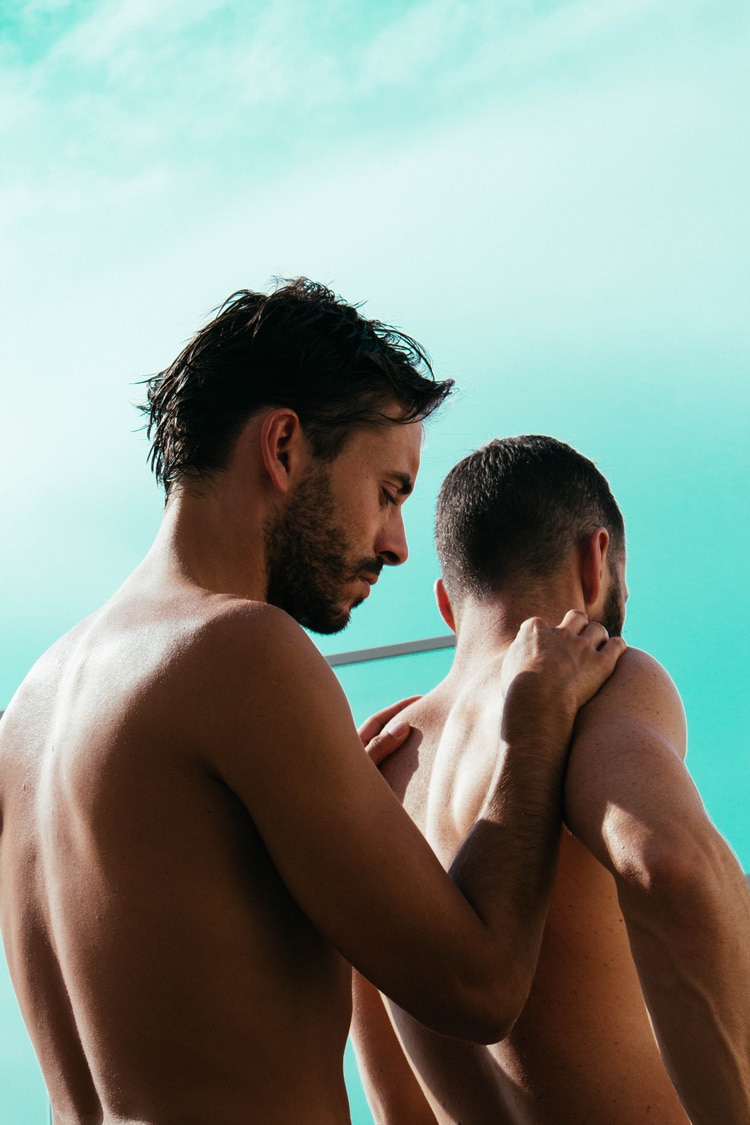
Grindr—“the world’s largest social networking app for gay, bi, trans, and queer people”—this month launched Kindr, a long-overdue attempt to tackle discrimination on the app. Is this a sincere attempt to combat discrimination in the dating world, or just a way for the app developers to shift the blame?
Dating and hookup apps, perhaps more so the latter, tend to be plagued with discriminatory language disguised as ‘tastes’ or ‘types’. “No fats, no femmes, no Asians” is the stereotypical Grindr bio tagline that epitomises such exclusionary efforts. I have unnecessarily exhausted myself on multiple occasions explaining why this is so problematic. Of course, everyone is entitled to their type, but to express this in negative terms comes from a distinctly discriminatory place. It’s also important to note that often this can be subconscious; such tastes are surface manifestations of underlying, latent cultural beauty standards, which celebrate certain bodies and skins while sidelining or even fetishising others.
I list my ethnicity as “mixed” (the somewhat America-centric options are: Do Not Show, Asian, Black, Latino, Middle Eastern, Mixed, Native American, White, South Asian, Other), and have been asked countless times “What mix are you?” (None of your business/I can’t be bothered to explain) or “So where are you from?” (answering “England” merely elicits the more pointed “But where are you really from?”). I’m baffled why such information matters but, apparently, it does.
With Kindr (as in more kind, not the brand of chocolate), Grindr is instigating a crackdown on this sort of language. “At Grindr, we’re into diversity, inclusion, and users who treat each other with respect. We’re not into racism, bullying, or other forms of toxic behavior,” it explains. “Everyone is entitled to their opinion. Their type. Their tastes. But nobody is entitled to tear someone else down because of their race, size, gender, HIV status, age, or – quite simply – being who they are.”
Kindr is also releasing a series of videos exploring the impact of such discrimination on Grindr users; the first looks at sexual racism and one quote from RuPaul’s Drag Race alum The Vixen particularly hit home: “You just start to wake up in the morning and look in the mirror and count all the reasons that nobody is going to love you.” It makes for an uncomfortable watch but this is an all-too-common experience for many of us that straight/cis/white people are often oblivious to.
Several months ago, rival gay dating app Chappy introduced a pledge that each user must agree to when signing up for the app, which reads: “No Hate, Just Dates… By pressing AGREE you commit to treating all guys on Chappy with kindness respect and love.”
But do such pledges really make a difference? After all, these apps thrive on surface appearances and encourage superficial interactions. If everyone immediately found something meaningful from such apps, they would lose users. Grindr, which eschews the swiping system of Tinder and Chappy and instead lists everyone nearby, lets its users filter by age, tribe, what they’re looking for (i.e. chats, dates, “right now”), and, for premium users, height, weight, body type, and ethnicity. It’s not surprising that discrimination is rife within a community that so obsessively categorises and classifies.
However, Grindr does offer some hope. Last year, it added gender identity and pronoun boxes to user profiles (a lot of trans and non-binary individuals use the app); the app provides a sexual health FAQ and can send reminders for HIV testing. INTO, the online magazine run by the company provides diverse, critical and insightful queer journalism. Grindr is actively encouraging users to report breaches of the updated guidelines, with promises of moderation and banishment.
Can apps really affect change amongst their user base? As many turn to guides on how to master dating apps like Tinder with the Best Tinder Icebreakers: Everything You Need to Up Your Dating Game, Twitter is perhaps the most prominent brand currently grappling with this question. Once behaviours become deeply-rooted, it takes supreme effort to effect lasting change, in part because users often assume they have unfettered access to such resources: that “free speech” somehow permits discrimination that outwardly defies user agreements.
Here, though, I am quietly hopeful. The chat box that used to say “say something” now says “say something kind…”
