The war on fur: will other fashion industry giants follow Kering?



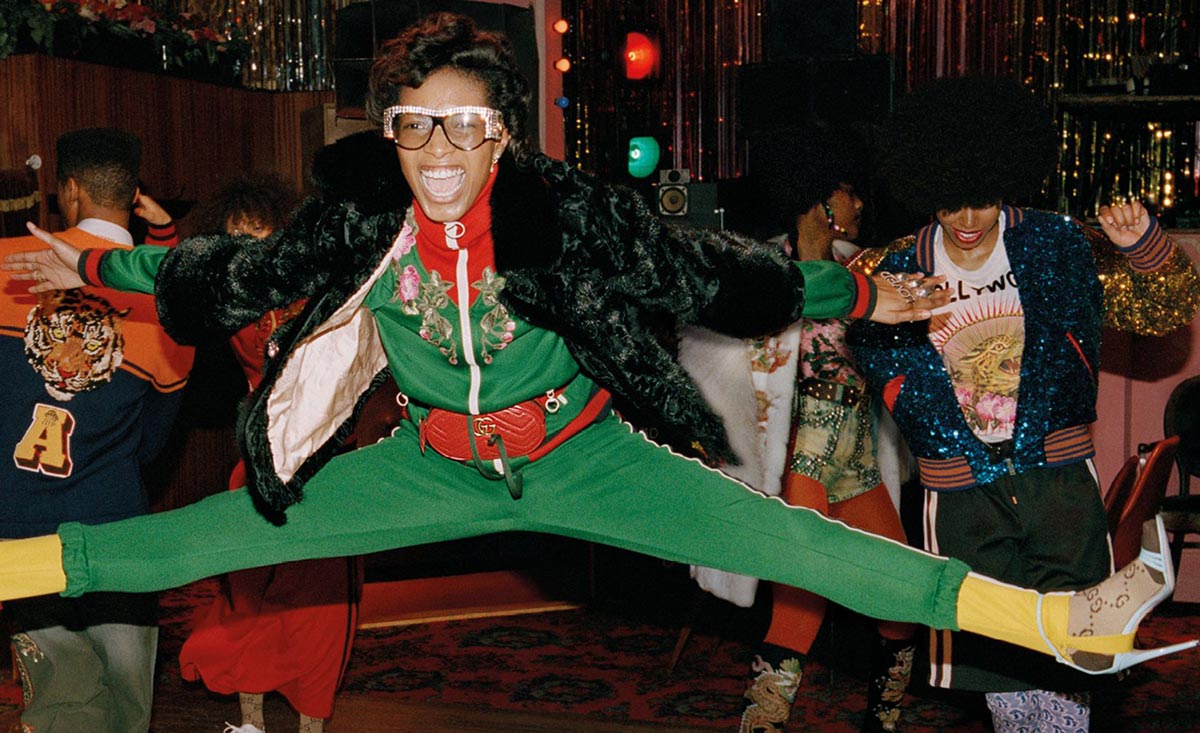
French-based multinational corporation Kering, parent of luxury brands including Gucci, Balenciaga, Saint Laurent and Bottega Veneta—among many others—has announced on 24 September that none of its fashion houses will use animal fur by this time next year. “Stopping the use of fur is another step forward in our commitment to animal welfare, and is in line with our commitment to sustainability,” said Marie-Claire Daveu, Kering’s chief sustainability and institutional affairs officer, when speaking to Vogue Business about the latest decision.
The ban will take effect for its brands’ AW22 season, with these garments due to be showcased at the very end of 2022. Even ahead of the policy change, a number of Kering’s brands have started to phase out or eradicate fur in their collections, with Bottega Veneta, Balenciaga and Alexander McQueen quietly doing so over the past few years, following Gucci’s turning point announcement under Alessandro Michele’s guidance in 2017.
As of now, only a handful of brands housed under Kering were still using fur this season. This leaves Saint Laurent and Brioni as the last brands to be affected by the mandate. Meanwhile in the rest of the industry, Prada, Versace, Burberry, and Chanel have all ceased using the material as a trend towards sustainability takes the industry further away from cruelty.
Luxury fashion e-commerce platform Mytheresa also announced a fur ban last month. At the beginning of August, Oscar de la Renta made a fur-free pledge after Billie Eilish made it a condition for her to wear the designer label at the Met Gala 2021. “Brands and retailers that pledged to avoid fur over a decade ago include Selfridges, Calvin Klein and Ralph Lauren, while the list of more recent commitments has been growing steadily, including from Neiman Marcus, Net-a-Porter, Burberry, Coach, Michael Kors, Miu Miu and Canada Goose,” added Vogue Business.
@screenshothq A win for animal rights 🦊 | Follow for updates on culture, news, the weird & the wonderful #billieeilish #tiktokfashionmonth #metgala2021
♬ Super Smash Bros Brawl Drill Remix - Shae OT
But Kering’s move is perceived as more than a simple ethical decision—for many in the industry, it’s a message to other companies (mainly LVMH) to choose compassion and innovation over the outdated view that luxury equals fur. As the world’s largest luxury fashion conglomerate (followed by Kering), LVMH owns brands like Louis Vuitton, Dior, Givenchy, Fendi, and more. Among those, Fendi stands out from the crowd as a brand known for its decadent fur coats and accessories.
The announcement also comes as a surprise as Kering rarely issues directives or specific policies across brands. Instead, it tends to set high-level environmental and social standards and leaves it up to individual brands to determine how to meet them. Furthermore, the move comes at a time when pressure to stop using fur is growing—not just because of increased customer awareness but also because of the health risks associated with its production. Fur farms were confirmed sources of COVID-19 spread among animals, and ultimately to humans. This, without a doubt, played an important part in the events leading up to Kering’s recent decision.
Through this announcement, not only has one of the fashion industry’s giants shown it understands the demands of the upcoming generation of young customers and changemakers, but it has also listened to what the young generation of designers want—to not use fur. It’s what modern luxury has to offer, and I don’t know about you, but it’s enough for me to pick Kering over LVMH.
