Nigeria officially bans white models and foreign voiceover artists in adverts



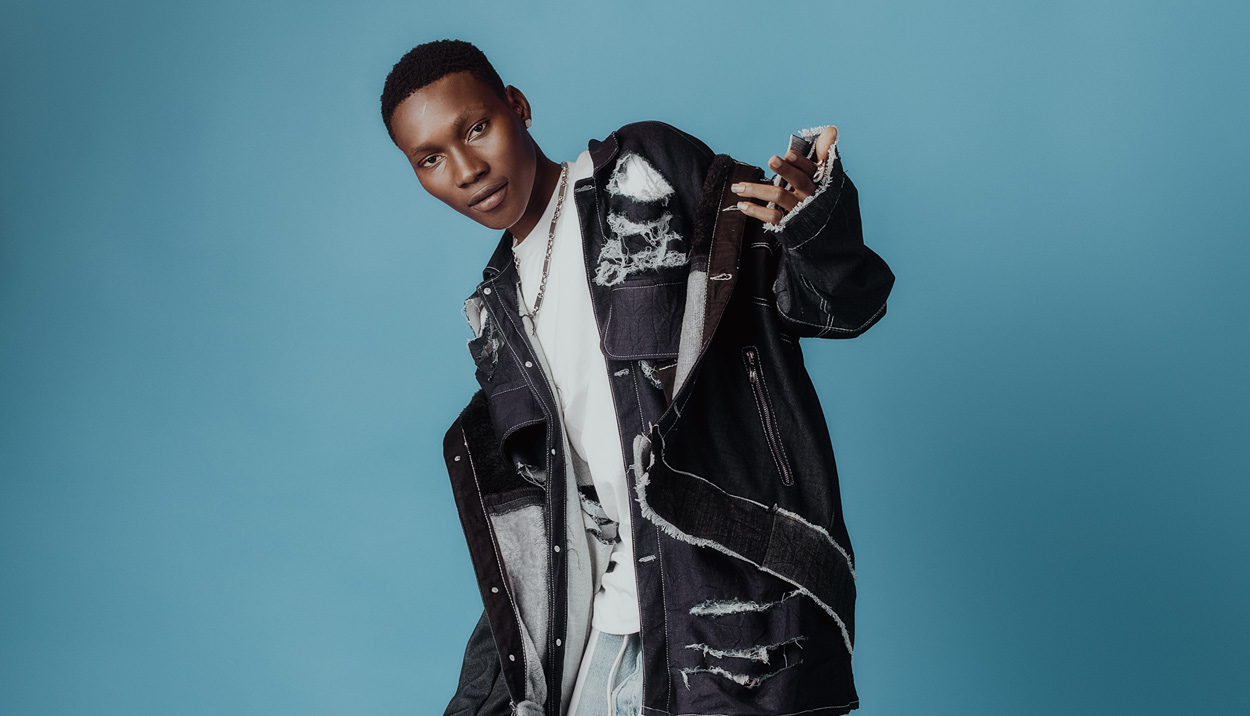
From 1 October 2022, Nigeria will introduce a ban on all foreign actors and voiceover artists in advertisements distributed across the country. This measure, which was announced during the fourth week of August by the Advertising Regulatory Council of Nigeria (ARCON), makes the country—home to 200 million people—the first known to enact such a law, which seeks to foster more local involvement in the industry.
For years now, adverts that aired in the former British colony—which gained independence in 1960—have starred white actors and have been narrated by individuals with British accents. For many, this blanket ban on white and other non-Nigerian talents represents a crucial shift in the country’s focus on its entertainment and media industry.
“Ten to 20 years ago if you checked the commercials, I would say they were almost 50/50 in terms of foreign faces and all the voiceovers were British accents,” Steve Babaeko, president of the Association of Advertising Agencies of Nigeria, told the Times.
Ban on the use of Foreign Models and Voice-Over Artists on the Nigerian Advertising Medium/Media pic.twitter.com/5pICTqOUt1
— Fed Min of Info & Nat’l Orien (@FMINONigeria) August 23, 2022
Nigerian brands would often use foreign faces while international corporations would simply import their global campaigns without making any edits. Although this recent news has managed to make headlines across the world, Babaeko revealed to the publication that this “kind of renaissance” had been years in the making—eight years, to be precise.
A “new sense of pride emerging” among Nigeria’s young population, he added, has led to “backlash” against projects that were obviously shot abroad and only featured foreign models.
The ban will also require advertisers to pay 100,000 Naira (just above £200) for every foreign model in a commercial. Hopefully, this will in turn lead to more creative projects being produced in the country and help boost opportunities for local talent.
And it seems to be working so far. As first reported by Dazed, British agency AMV BBDO has already shot an African campaign for Guinness, ‘Black Shines Brightest’, in Lagos with a Nigerian director and local models, reflecting the shift in the nation’s advertising industry.
