What does the HITMAN franchise jumping on the life service model mean for gamers?


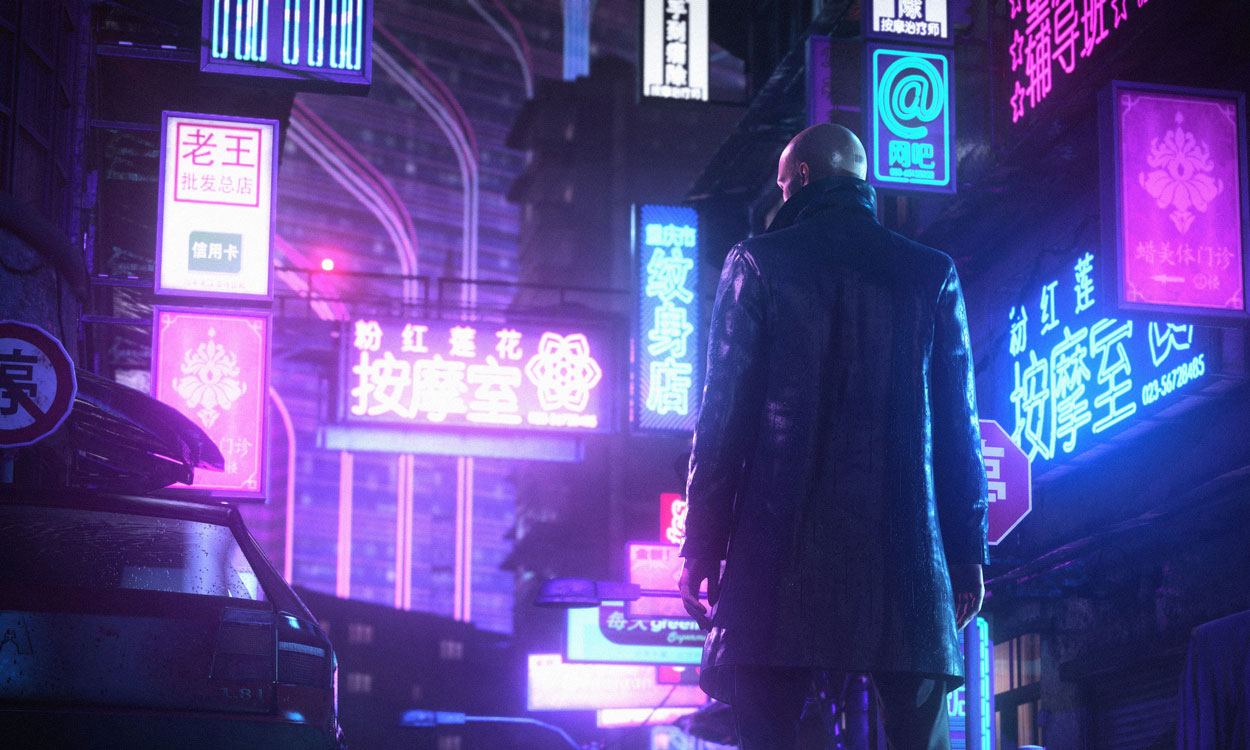
Despite a turbulent and chaotic 2022, the gaming landscape for 2023 is already beginning to take shape. In a blog post on 3 January, IO Interactive has announced that HITMAN 3 is going to become World of Assassination, a move that will see the 2021 hit absorb IO’s two previous instalments, effectively providing care to the franchise as a live service.
What is a live service game?
In case you don’t know, live service games (LSGs) are titles that keep on giving—ones that will continually pump out content over a long period of time to keep consumers engaged, and their wallets thin. Blizzard kicked things off with its subscription model for World of Warcraft, something very new in games back in 2004. Since then, developers have figured out that if you continue to add content to a game and provide new things for players to buy with actual money in a cash shop, you can save on yearly and bi-yearly releases and still make a pretty sum of dough.
LSGs are often free and run well on older hardware too, helping them reach a wider audience. Players can then spend real-world money (or ‘grind’) to unlock cosmetics and upgrades which in turn creates a cycle of engagement through sunken cost and developer investment.
What does this mean for the franchise though? IO Interactive detailed in its blog post that this is a means to simplify the HITMAN purchasing process, a decision that is largely consumer friendly and also delivers on its promise to provide an “ever-expanding game that would evolve over time and be the foundation for future HITMAN games.”
So, as of 26 January 2023 HITMAN 1 and HITMAN 2 will no longer be available for individual purchase, and instead will be obtainable on HITMAN World of Assassination (formerly HITMAN 3) regardless of whether or not you already owned the first two games. In other words, this simply means that all titles, and their numerous paid downloadable content (DLC), will be available in one neat centralised place, and that new players will end up with more content for free.
IO Interactive is confident this is the right move forward—to be honest, it’s surprising it didn’t do this earlier. The HITMAN model makes perfect sense for live service. A hub for new missions and leaderboard stats for enthusiasts sounds like it will work well for the franchise. As of now however, it’s still unknown how IO Interactive plans to monetise its World of Assassination outside of additional missions. Can you really deck out Agent 47 in outlandish outfits and costumes given how integral stealth and disguise are to the series?
Why are live service games so popular?
Recent years have proven the free-to-play (F2P) LSG model to be an invaluable industry asset, these titles being the biggest reason that video games continue to dominate the entertainment complex. The infamous Fortnite started out as a paid game but quickly exploded in success due to the inclusion of its free battle royale mode, which saw the game transition to a live service model. It’s clear to see that there is an absurd amount of money to be made here.
LSGs make players feel good about spending money in the game too. The base product is often free, and the monetisation isn’t particularly expensive. Plus, there’s a guarantee from the developer that it plans to support the game for years to come. It’s an enticing investment to say the least—one that definitely prays on young people’s FOMO and a desire to flex in-game.
With HITMAN setting itself up for live service support—presumably a move to keep the series afloat while IO Interactive is busy working on its James Bond game—we can’t help but wonder what other AAA studios have been doing to meet this demand.
Riot Games’ controversial yet hugely successful 2020 Valorant is a LSG with options for players to buy cosmetic skins for their guns and special stickers to put around the map. Respawn Entertainment’s Apex Legends took the Fortnite approach with a battle pass—a season-long set of challenges that rewards players with skins, cosmetics and currency by levelling the pass up.
What’s interesting is the fact that gaming giant Ubisoft has also thrown its hat in, recently announcing that a live service Assassin’s Creed game is in the works, aptly titled Infinity. Ubisoft is evidently hoping to get a piece of the pie after the failure of its original 2020 attempt, Hyperscape.
This format of game is so prevalent today that there’s even a category in the Game Awards for ‘Best Ongoing Game’ with the Japanese massive multiplayer online game (MMO) Final Fantasy XIV taking home the award in November 2022.
Despite the successes of the LSG format, titans of the industry Call of Duty and FIFA continue to make inordinate amounts of money through annual releases. In these titles, there’s a plethora of ways you can spend your hard-earned cash, from skins and cosmetics in the former to player packs in the latter. There is no amount of improvement or adjustment in these titles that warrants a new release every single year, yet people don’t yet seem to mind the yearly £50 buy-in.
It’s clear that many players want to invest in the games they find themselves obsessed with, and although live service games often employ predatory manoeuvres to entice or even trick gamers into spending money, it’s interesting to see how the industry is adapting to the changing landscape.
With so many games offering battle passes and cash shops, as well as Microsoft’s insanely successful Xbox game pass—a subscription service allowing access to a huge catalogue of titles—I wonder if we’ll see an end to the full-price retail release within this decade.
