How ‘hustle culture’ found self care and what this means for millennials


It’s no secret the 80s are back, and in acknowledging the resurgence of scrunchies and SoundCloud overflowing with synthpop there’s one trend that never really left: hustle culture. A recent New York Times article, Why Are Young People Pretending To Love Work, mentioned coworking giant WeWork, where it is common to find signs like ‘Hustle Harder’ and ‘Stop When You Are Done’.
Somewhere around Netflix’s Girlboss series adaptation, described as a “tone-deaf rallying cry to millennial narcissists”, hustle culture became a subject of mockery. Yet, here it is, still a dominant ideology in 2019 (people who worship Elon Musk are very much alive and well). They say culture is a pendulum, and so the more recent self-care phenomenon appeared to enter internet culture as a true antithesis to the daily grind. Although there were initially obvious benefits to this idea in its purest sense, (self-love and prioritising health = good), the rush-to-market approach taken by brands to repackage rest and mental health as purchasable (aka the self-care industrial complex) has created a new sort of essential oil-infused dystopian reality.
With self-care often pitted as the solution to hustle culture, you’d think the social media sphere would have polarised into contrasting ideologies. But these trends have more in common than appears. Both lend themselves equally to earnestness and commodification. They’re shaped around the concept of self-improvement, and they’re both powerful mechanisms for social identity construction, and the transition of ‘wants’ into ‘needs.’
In fact, many brands and individuals have chosen to champion them simultaneously. Nike, long-time pioneers of ‘just doing it’, recently co-hosted a ‘Self Care Saturday’ in LA with Urban Outfitters that featured crystal facials (whatever that might mean). And Girlboss—one of the pioneers of the glossier-but-make-it-corporate marketing of hustle culture—has a ‘wellness’ brand pillar.
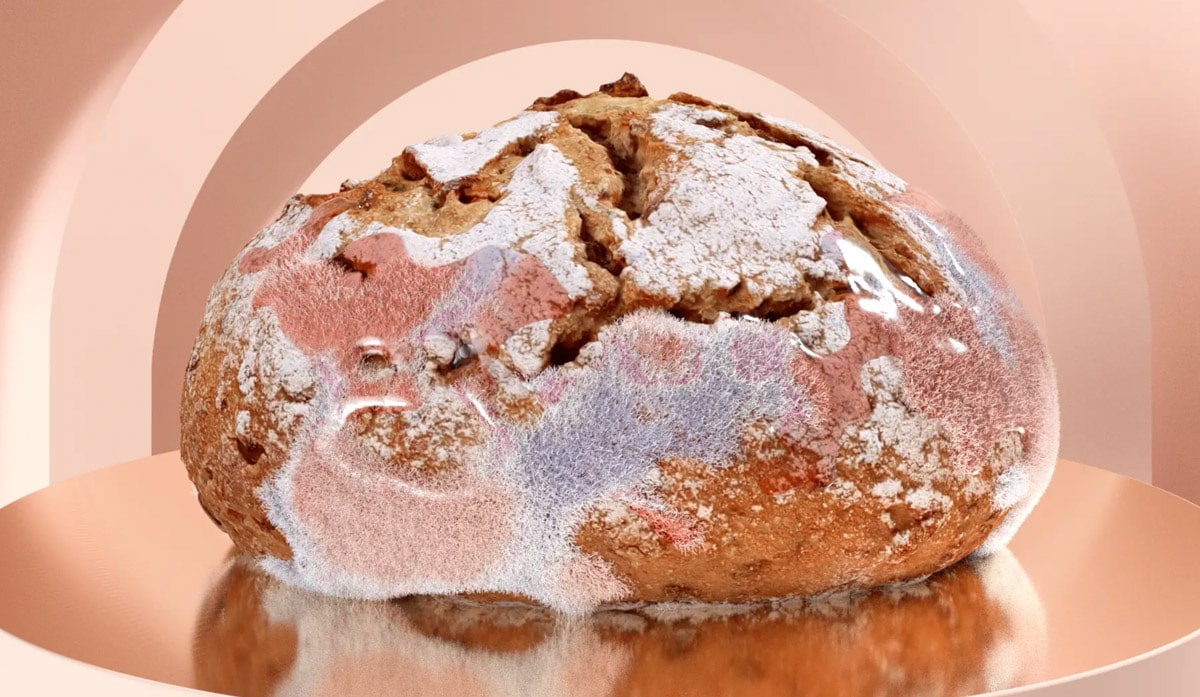
Strangely, rather than living side by side, hustle culture and self care have come together in a strange marriage. It’s 2019, and you still need to get that bread, but also remember to use your meditation app.
Now both these cultures are likely also a response to an increasingly uncertain future. For young people, this has produced a kind of unapologetically paradoxical, post-woke, “material girl in a dying world” mentality. The consensus seems to be when the system is broken, all we can really do is focus on improving ourselves and our direct and online communities. And unfortunately, the reality of self-improvement in the late 10s is that there’s always something new to need.
While hustle culture and self-are both put the responsibility on the individual, we should seek to examine the systems that purposefully encourage hyper-individualism in the view of needing consumers to need—and shop.
Even as self-care reaches the end of internet-earnestness and joins hustle culture and Girlboss in the parody phase, it’s anything but the end for their collective cultural influence. The self-care meets hustle culture paradox will live on through years of future content, as we continue to shape a large portion of our identities through a branded hierarchy of needs.
This article was written by Pitch Portal for Screen Shot as part of its recent project in collaboration with Screen Shot and the V&A Museum: Let’s (Not) Get This Bread.
