‘My hope has not yet died’: Inside the Angolan LGBTQ+ youth fighting for change and equal rights


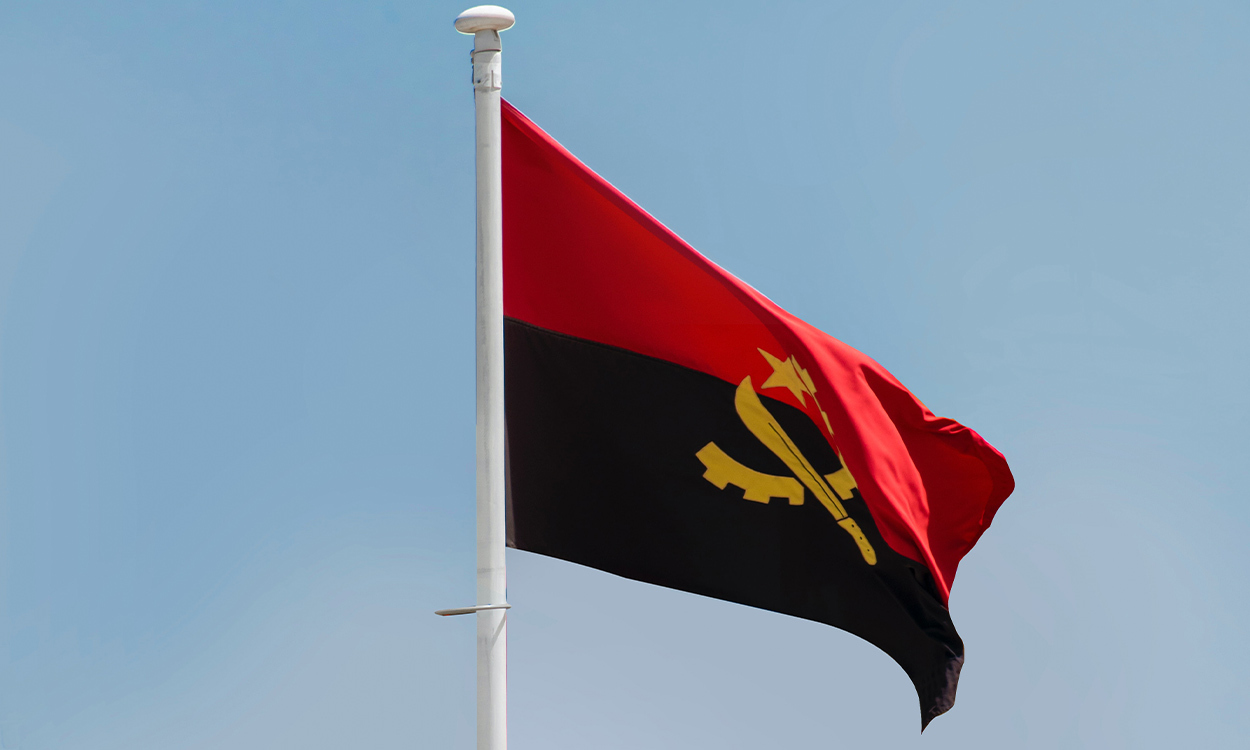
On 24 August 2022, millions of Angolans took to the polls to vote in the country’s parliamentary elections, which had been described by many as an “existential moment” for the key oil-rich African state. Although this would be the country’s fifth election since it declared independence from Portugal in 1975, for the first time, Angolans living abroad had the right to vote remotely.
Many diasporans rejoiced at the news, myself included, as it offered the chance to exercise my civic duty to the birthplace I left aged four. But more importantly, it meant a right to evoke democracy in a country that truly needed it.
The People’s Movement for the Liberation of Angola (MPLA) has been in power since 1975. Throughout the years, it has faced criticism over high levels of poverty, unemployment and corruption—following the Luanda Leaks exposé—so this election promised to tackle all three of those issues. Spoiler alert: the long-dominant party won another five years in power after the verdict revealed it had reached 51.2 per cent, whereas its closest rival, the National Union for the Total Independence of Angola (UNITA), had its best-ever result with 44 per cent.
Although Angola is a predominately young country, as more than 60 per cent of its population are under 24, according to Datareportal, they stood no match for the veteran politicians they were pitted against that Wednesday.
Prior to the election, I overheard a family friend state that the most vulnerable group in the country are the elderly who heavily depend on their families to survive—and while I am in agreement, I couldn’t help but respond in retaliation. “What about the citizens fighting to be seen because they’re dismissed, ridiculed and sometimes attacked due to their sexual orientation or gender identity?” I asked.
Voting for the first time was Edson, 21, from Luanda, who spoke to SCREENSHOT about the significance of this election: “I think this is a moment for change, which is why I voted for UNITA. I recognise my privileges—I have a home and job—but I still face issues. I struggle to access basic healthcare and education because of how I identify.” Edson is a proud trans man who campaigns for social change and LGBTQ+ rights in Angola. Like many members of the community, he relies on his connections to get basic human needs, like an appointment at a doctor’s office.
“While I had no issues treating my electoral card, on the day, I had an incident with a volunteer who nearly didn’t let me vote because she thought my documentation was false. She scandalised the situation and embarrassed me because my physical appearance differed from my identification. This is a regular problem for trans people, but we just don’t voice it,” Edson revealed.
In January 2019, Angola’s parliament voted for a new penal code that no longer criminalised consensual same-sex conduct, 133 years after the passage was introduced under colonial rule. However, President João Lourenço did not sign the code into law until November 2020, which then came into effect in February 2021.
That same year, Angola took it a step further and enacted a new penal code that gave gay and bisexual people legal protection against discrimination for their sexual orientation. In short, anyone inciting hatred could face up to six years in prison. This was a major win for defenders of LGBTQ+ rights in the country but it didn’t mark the end of the battle.
Dário Octávio, 26, is an openly gay and proud Angolan who is using his voice for social change. He explained that although he welcomed the act, he couldn’t ignore the blatant issue of practicality. “How will we gather evidence to prove that we’re being discriminated against from a job, healthcare and so much more?” he posed. Similar questions were going through Octávio’s mind as he geared up to vote for the second time in his life, for the same party, UNITA.
“Those in the 18-30 demographic who never experienced the war have no automatic loyalty to the MPLA and are progressively angrier over the lack of educational opportunities,” Anita Coulson, a former BBC Luanda correspondent told SCREENSHOT. “They have a feeling that life is passing them by and there is little hope of any improvement so long as the MPLA keeps its grip on power.”
Adalberto Costa Júnior was elected as president of UNITA in 2019, and throughout these three years, he has tried to position himself as the voice of the young civil society, with pro-western and pro-business views. Despite his best efforts, it wasn’t enough to sway the votes. Not ready to back down, UNITA officials say they are prepared to wait another five years before taking power.
In response to what Angola will look like in the next five years, Coulson stated that we are going to see increasing unrest. “I cannot overemphasise just how bad the situation is in the more remote areas of the country: extensive drought, malnutrition, threatened famine across the south and an overall lack of basic infrastructure in more than 50 per cent of the nation.”
She added that UNITA’s approach is very pragmatic. “Even if there are no local elections, UNITA will be building support and harvesting the discontent and frustration that is evident wherever you travel in the provinces,” she concluded.
“Growing up, I was terrorised for speaking about the lack of services for people like me, so while I am disappointed at the outcome, it’s only more motive to keep fighting,” said Edson.
Similarly, Octávio added: “My hope has not yet died because I believe in the force of the Angolan youth, and I’ve seen just how powerful our voices are—especially on social media.”
