What is thick water? The TikTok challenge taking medicine away from people who need it most



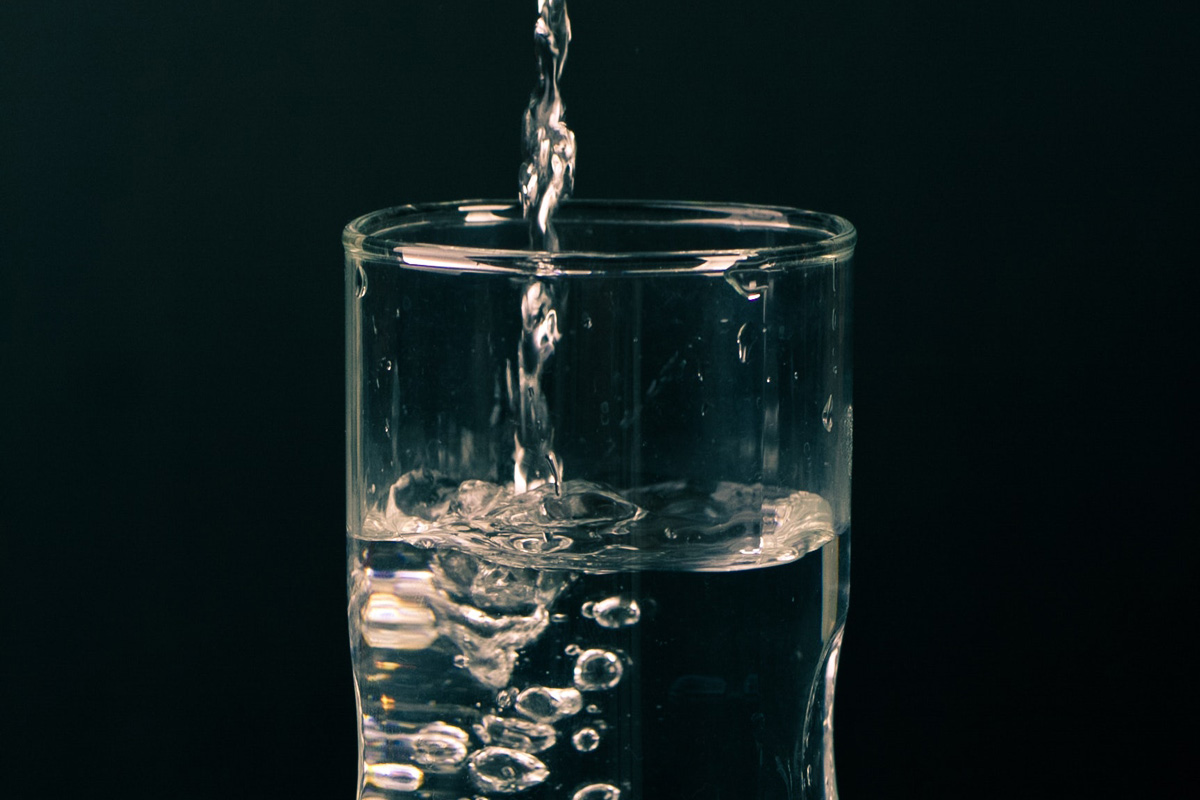
You may have come across the thick water trend circulating around the internet, in particular on the popular but hideously addictive TikTok. If you haven’t seen it, let me fill you in: essentially, the trend comprises of people, almost all able-bodied, taking a sip of ‘thick water’—often always spitting it out in disgust—and after filming their fifteen-second reaction clip, throwing the product away. Okay, but despite it being slightly wasteful, what’s the problem? What if I told you that thick water wasn’t just a gimmick and is actually a life-altering medicinal product for people… the plot thickens, pun intended.
@laurengodwin we tried THICK WATER💧🤢 #tiktok #foryou
♬ original sound - Lauren Godwin
What is thick water?
Before exploring why this trend is so problematic, let’s first clarify what exactly thick water is. Thick water is essentially what it says on the tin—water that is thick. In the US, you can buy the product in a number of chain convenience stores. If you’re living outside of the US, or if you simply can’t be bothered to venture to the shop (no judgment here), you can thicken drinking water from the comfort of your own home using thickening agents. Despite what TikTok may lead you to believe though, thick water is far from a gimmick product.
Thick water is a beverage specifically designed for people with dysphagia (difficulty swallowing). Increasing the viscosity of thin liquids, like water, makes them easier to swallow. For seniors with a sensitive gag reflex or neurological conditions that make eating and drinking difficult, thick water allows them to stay healthy and hydrated.
Why the trend is so problematic
Although the trend might seem quirky but somewhat harmless at first—humorous enough to give you a solid nasal exhale—the danger is not considering the consequences of a spike of demand in thick water driven by the trend. The viral challenge encourages children and clueless adults to go out and buy a medicinal product that people actually need. It’s also worth mentioning that, by dubbing thick water as weird and disgusting, this trend puts an extra layer of shame and stigma around a product that makes hydration more manageable for those suffering from dysphagia.
One medical worker on another TikTok post in response to the trend highlighted that convenience stores “buy a certain amount of that stuff because it’s really expensive and the people that need it are the only ones that buy it. So if you all go and do this trend when you buy it, it’s gone from the shelf and people who need it to survive don’t have it.”
@nurse_alisha.rn PLEASE stop using thick water as a trend. #nursetok #YesDayChallenge #nursesoftiktok #medical #ihateit
♬ original sound - Nurse_Alisha.rn
She went on to say, “There are people who I care for who are on a thickened liquid and pureed diet because if they drink or eat anything wrong they’re going to aspirate and get pneumonia. Not only that but when you keep buying it they’re going to up the price and these people have a hard time paying for stuff anyway.”
This isn’t the first dangerous trend to make the rounds on TikTok, and it certainly won’t be the last. There are many lessons the #thickwater can teach us: first, thick water isn’t a gimmicky product packaged and placed on the shelf for the memes, it’s a legitimate medicinal beverage that dramatically helps those facing dysphagia. Second, it shows how ableism on social media trends can often be masked as innocent or quirky. With the trend-driven nature of apps like TikTok, it’s easy to overlook these things—to follow the crowd, to justify that ‘well, everyone else is doing it so why shouldn’t I?’ It’s important to take a step back and analyse how your actions may have consequences for vulnerable communities. Don’t be thick.
