Meet the man behind London’s lockdown raves, and hear what’s next in store



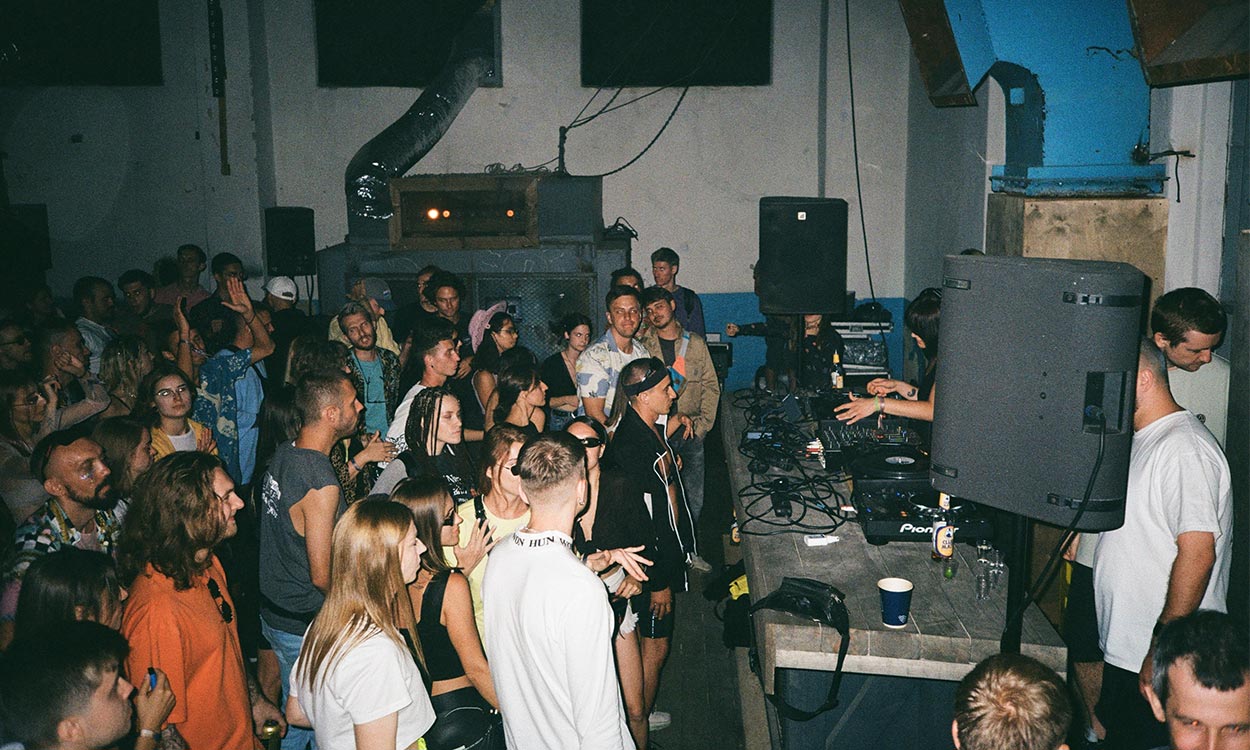
In the depths of the COVID-19 pandemic, when the world seemed isolated and disconnected, a story unfolded in the heart of London. One individual, driven by a passion for music, innate desire for human connection and well, a need to party, managed to recreate the exhilaration of a live rave experience within the confines of lockdown.
But what started as solitary dance sessions where attendees were only able to connect with others digitally quickly turned into the capital’s biggest mid-pandemic underground raving scene. As we dive into the extraordinary journey of this determined organiser, who we were lucky enough to get an interview with, and the vibrant community that formed around it, we uncover a tale of resilience, unity, and a newfound sense of belonging among young people.
The birth of an underground movement
In the midst of lockdown’s chaos and uncertainty, a young visionary man (because he asked to remain anonymous, we’ll call him Alex) stumbled upon a clandestine network of warehouse owners, each craving the pulsating beats and euphoria of conventional rave. Driven by a profound love for music and a yearning to unite people physically once more, Alex embarked on a mission to recreate the electrifying atmosphere of a rave, where bodies could intertwine and souls could connect.
From bedroom DJ to virtual dance floor
Through countless Zoom calls, late-night virtual meetings, and a burning determination, Alex managed to collaborate with new DJs on the London scene, and was able to create an immersive experience that captured the real essence of raves pre-pandemic. With energetic mixes, bold visuals, boat parties and warehouse dancefloors, the partygoers got the opportunity to lose themselves in the music.
The response was overwhelming, with thousands flocking to the events. Speaking about the sense of unity that emerged from his idea, Alex told us, “At the time I wasn’t aware [of it], but after a few events, when my identity became apparent, people would thank us for helping them with their mental health during that time. For giving them a place to go and be free, without being judged.”
As Alex noted himself during our chat, it’s important to highlight the fact that among the millions of Londoners who got stuck at home, many of them were originally from outside the UK, leaving them alone and far away from their families, and in dire need for some kind of support network.
This is where Alex’s events came in to help young people looking for a sense of unity. What started as a simple series of virtual raves transformed into something much more profound. Bound by their shared love of music and their desire for connection, attendees formed a tight-knit community that extended way beyond the dancefloor. They became a chosen family, offering support, friendship, and a sense of belonging during a time of isolation—regardless of how hard the mainstream media was trying to demonise Alex’s work.
A window into London's underground culture
Throughout our conversation with Alex, we delved into all of the different motivations and challenges behind organising these raves. He revealed the struggles of navigating the legal complexities, ensuring the safety of participants, and constant adaptation to changing restrictions. But despite the hurdles, the rave community persevered, fueled by the belief that music has the power to bring people together, even in the darkest of times.
One of the biggest impacts the events had was on the ravers’ perspectives, he noted: “Having a place to rave just helps people appreciate their freedoms and liberties. They all felt so free, and it also showed people there are alternative scenes to what they are used to or would normally associate themselves with.”
As lockdown restrictions eased and the world slowly returned to normalcy, Alex and his community have begun preparing for a new chapter. The events have since evolved into after-party gatherings, bringing together like-minded individuals in real-life settings. Alex firmly believes that these parties empowered the city’s youth in ways beyond imagination. It served as a catalyst to truly understand the transformative power of unity.
Even now, these events continue to flourish, and the famous WhatsApp group that initially brought everyone together remains active. Its members still exchange messages and organise secret raves at different locations around London where everyone can thrive. The intimate DJs who began their sets from their own bedrooms have now graced the stages of the biggest club in the capital.
Wrapping up our conversation, Alex reminisced once more and concluded: “Stand up for what you believe in, respect each other no matter your beliefs and know that unity is power. As a raving community, we challenged temporary legislation and looked out for one another against the oppressors of laws.”
In a time of uncertainty and solitude, a remarkable story emerged from the depths of London’s underground scene. Through the power of music and unwavering determination, a community was forged.. As we embrace the spirit of resilience and celebration during Pride month, let us not forget the extraordinary capacity of young people to find a sense of belonging, no matter what the circumstances.
