Beyond ‘Perfect Blue’, here’s what Satoshi Kon’s other movies predicted about society


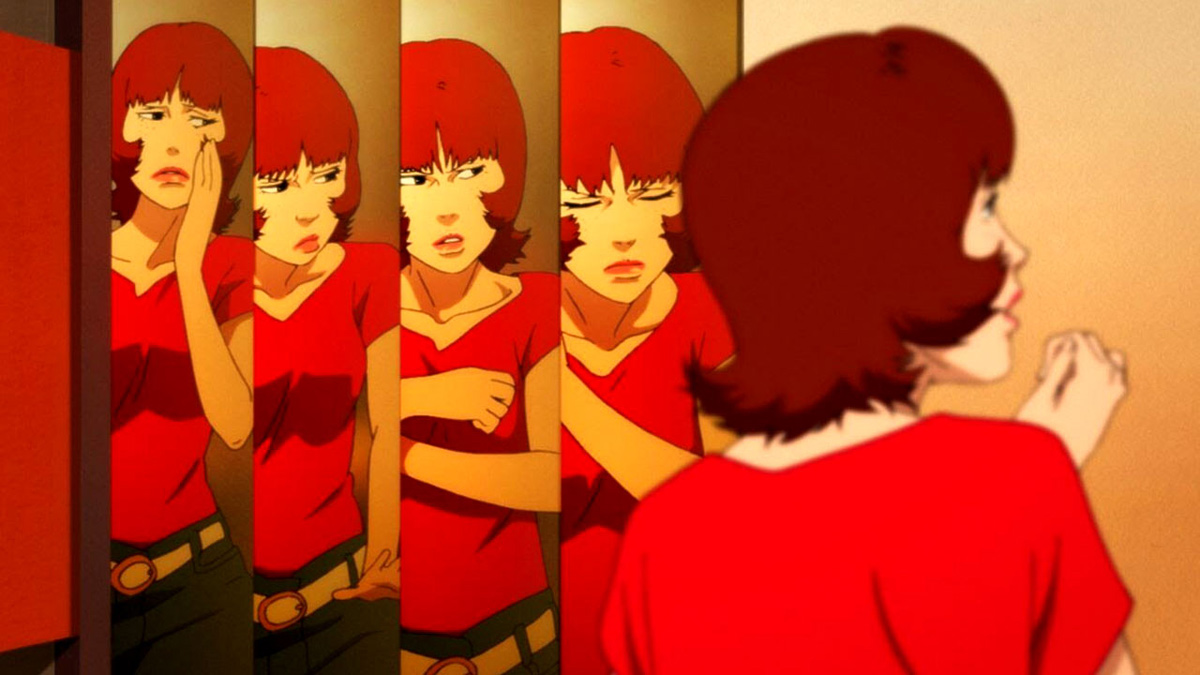
‘Life imitates art’—a famous saying used to describe the relationship society has to art. Many of us could not have predicted the unprecedented times we are currently living in. The disparities of wealth and class are wider than ever before. But what if, somehow, art predicted it? More specifically, the art of a brilliant film director, animator and manga artist; the late Satoshi Kon. In lieu of his birthday, here is a list of some of Kon’s films, and how each of them predicted part of our current society and what’s to come.
Today we honor the late writer/director Satoshi Kon on his birthday. Kon had an extraordinary talent for displaying the full range of the human experience— from passion and fury to tenderness and sensitivity. pic.twitter.com/2DbnElDWuV
— GKIDS Films (@GKIDSfilms) October 12, 2021
Kon’s work traverses the line between dream and reality, with many commenting on his manipulation of visual aesthetics and camera work to create ultra-modern, dystopian fantasy lands for viewers. However, the realities of Kon’s worlds are now regarded as glimpses into the future and a doorway into the contemporary reality of modern-day society.
On par with the likes of Hayao Miyazaki, Kon has created a name for himself in the film and animation industry as a titan of storytelling. He was an artist, renowned for his utilisation of animation as a medium to elevate the genre. Underrated as a category solely created for the amusement of children, animation has long been overlooked for its merit to transport us into whimsical, daunting and unfathomable worlds. The style of Kon’s work encapsulates the best animation has to offer, “instilling some of man’s greatest philosophical musings,” as The Hollywood Reporter notes. The lucid and revitalised works of Kon’s films inject life into the, otherwise, daily mundane landscapes of Japan. Creating bustling inner-city escapades in Paprika, to the unforgiving chill of winter in Tokyo Godfathers, Kon’s work is reflective of time and has a lot to say about the everyday world and all its inexplicable, awe-inducing glory.
There are many best horror ranking lists and retrospectives that place Perfect Blue as Kon’s magnum opus. Originally meant to be a live-action, the film based on Yoshikazu Takeuchi’s novel of the same name catapulted Kon’s career into international success. Praised for its ability to get through to western audiences, the origins of the film were anything but the marvel it turned out to be. Due to the Kobe earthquake of 1995, the film was relegated to an animation. Undeterred by the prospect of completing the project, Kon’s creative and innovative style thrived due to the medium. Working with the restrictions of budget and time, rather than against them, the director masterfully created a deeply unsettling commentary on parasocial connections—the psychological relationship between audiences and the performers within the media they consume. The film delves into idol culture and the obsessional state fans go through. Long story short, Perfect Blue is a psychological thriller that traces the troubling aftermath of a singer who decides to leave the limelight to pursue an acting career. The film entices viewers with its subject matter of voyeurism, performance and gaze to create a horrifying vision of attachment and perception in modern culture.
With the internet and social media only propelling the craving for closeness, Kon’s first film expertly displays a prophetic image of the dangers our yearning need to connect represents.
Satoshi Kon on reality and identity in an interview for the making of 'Perfect Blue' (1997) pic.twitter.com/x6xKcvVkyt
— Lost In Film (@LostInFilm) October 12, 2021
It is impossible to talk about Kon without mentioning Perfect Blue, the two are so intertwined that you rarely see one without the other. And yet, it is not the only work of Kon to provide insight into the world we know today. In fact, there are many examples of imagined future realities within the director’s filmography that peek behind the curtain to see the future in deeply inventive ways.
Millennium Actress (2001)
Though Millennium Actress (and its protagonist named Chiyoko Fujiwara) is preoccupied with the past, in retelling the story of her life, the barriers between Fujiwara’s past and present fall. Her current life is interspersed with scenes from her past at the height of her fame. The film explores the idea of journeys being more thrilling than the destinations we end up at. Fujiwara reflects on her fleeting time in her youth as a recluse who addressed the continuous need to achieve more in hopes of being recognised by a mysterious artist she admired. In observing the events of her life, the theme of a never-ending strive for greatness appears. The film touches on the impulse to constantly do more and to reach a pinnacle of success in terms of career, a concept that modern audiences of course resonate with.
Paprika (2006)
After many years of waiting, Paprika was released in 2007. The film, also based on a 1993 novel of the same name by Japanese author Yasutaka Tsutsui, was Kon’s final feature film. It is regarded as one of his best and most experimental too, with the subject matter surrounding dreams cementing his directorial techniques. Following a psychologist thrust into the world of dreams to become a dream detective, Paprika, the protagonist, investigates cases related to a dream terrorist causing nightmares for others. It is through Kon’s distortion of reality that this film presents a glimpse into the current world. Fractured images run rampant and Paprika has often been compared to Christopher Nolan’s Inception for its thematic and aesthetic presentation of time. Reality-bending is no new concept. However, the disintegration of reality compels us to look more deeply into the dream worlds of these characters and the nightmarish obstacles they create within their psyches. In manifesting psychological demons as the prime antagonists of this story, Kon exemplifies how our own worst fears are just as harmful and dangerous to face as the disturbing ones on screen.
Ohayo (2007)
Kon’s last-released film, before his untimely passing from pancreatic cancer at the age of 46, was the short film Ohayo (Good Morning)—the epitome of a short film, at just one minute in total. Aired in 2007, the short follows a young woman getting ready for her day. A seemingly honest and simple premise, the film compounds all elements of modern life within its short runtime. In the slow moments of waking up and getting ready, we can all relate to the drag of modern life. The serenity of the animation takes distinct care into presenting the beauty of the day to day in an honest way.
One of the first things the protagonist does is check her phone, laxly scrolling through notifications probably, before hauling herself out of bed. Every moment of the animation takes time, and feels realistic. Dirty dishes and empty cans scattered across the room, the small apartment is cluttered as she staggers to reach the fridge for milk. The scenes progress and start to merge together and the editing takes ‘going through the motions’ to an entirely new level. We watch as the character goes through her daily routine on a loop, pausing in the shower as she stands under the running water. The juggling of shots and scenes together creates a living breathing life within the boring routine that we all take for granted, and even hate at times. In these short glimpses, Ohayo not only displays the ordinary, but turns it into the extraordinary.
Kon, throughout his filmography, created wonderful and extravagant landscapes for peering into future realities, and yet, his last captures the present-day just as easily. All in all, he not only managed to make life imitate art, but to make life, art.
