Inside the problematic undertones of yaoi and fetishisation of queer people in anime


Shonen, shoujo, seinen, josei, isekai, mecha, kodomomuke… for an avid enthusiast, the list of anime genres is bottomless and every category has its unique set of subgenres to binge-watch. For the uninitiated, however, the Japanese film and TV animation style is synonymous with a deeply problematic—depends who you ask—genre called hentai (read: animated pornography).
Although 2022 witnessed anime’s rise to global prominence with the live-action remake of Cowboy Bebop, iconic tributes to Sailor Moon and even Kanye West admitting that his “biggest creative inspiration” is Katsuhiro Otomo’s cyberpunk film Akira, chances are that if you declare your love for Japanese popular culture or stream Otacore playlists in public, you’d immediately be hit with an “I bet you have some weird kinks like scat since you watch anime.”
Majorly linked back to ‘gainaxing’—the technique of illustrating a female character with buoyant breasts minus a bra, then animating every single physics-defying jiggle and bounce they are subjected to—in several mainstream anime, it’s not surprising to see SFW shows being looped into the same category as hentai. The fanservice side of the industry does not help this case either, nor does the questionable fanart of characters surfacing on forums like Reddit.
This generalisation has, in turn, pushed genres like ecchi and harem into being perceived as the prime fodder for ‘otakus’ or ‘weebs’ on the internet. Even if you only adore shonen anime like One Piece, Bleach and Fullmetal Alchemist, you’re automatically deemed as a simp and closeted perv with no pull game, who probably has posters of ‘waifus’ like Zero Two or Marin Kitagawa lining their wardrobe and car seats.
Although hentai continues to romanticise problematic tropes like incest, paedophilia, and bestiality along with the gross objectification of women for male pleasure, I hate to admit that this is just the heterosexual side of the industry. Enter the wildly-divisive world of yaoi and yuri—genres hinged on LGBTQ+ relationships that routinely succumb to toxic narratives in order to attract its most rabid fans.
What is yaoi?
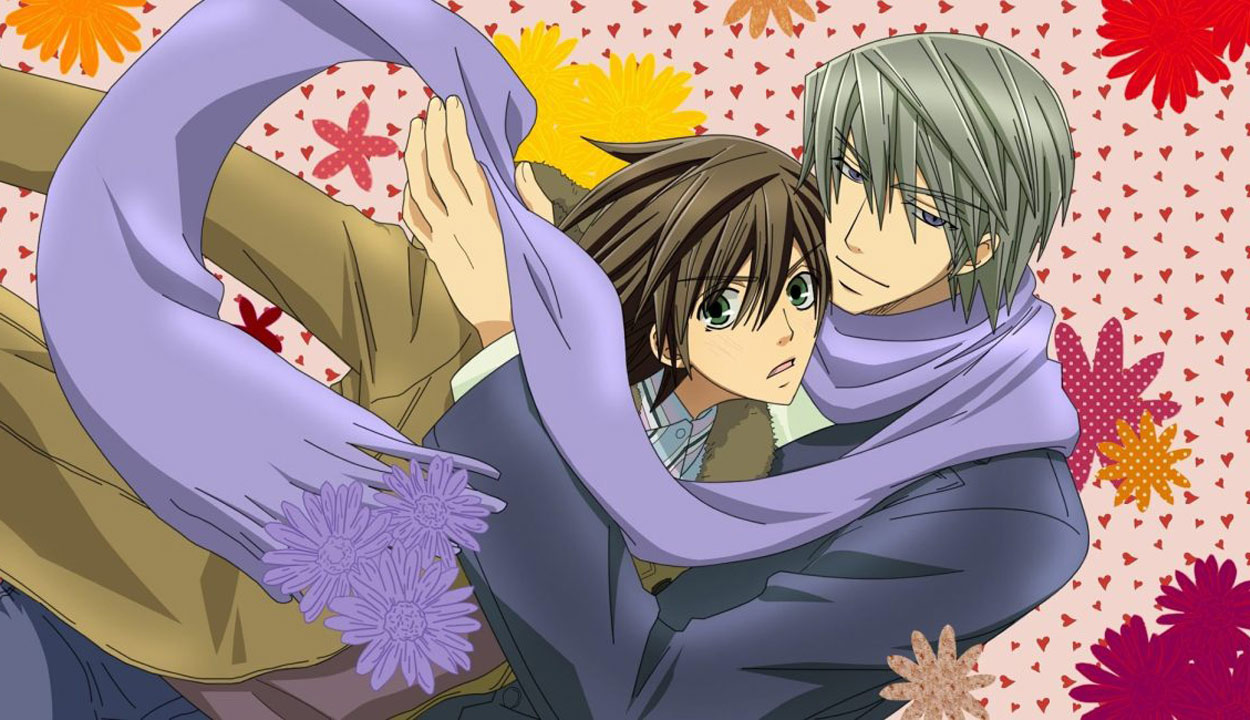
Derived from ‘Yama nashi, Ochi nashi, Imi nashi’ meaning “no climax, no point, no meaning,” yaoi is a genre of anime, manga, video games and movies that surrounds same-sex relationships between men—typically made by and for the viewing pleasure of heterosexual women. Yuri, on the other hand, is the female equivalent of yaoi focusing on explicit lesbian relationships. As opposed to the former, yuri is not marketed towards a single demographic of viewers and its audience comprises horndog men, women, and everyone in between.
yaoi or yuri?#yaoi #or #yuri #anime pic.twitter.com/33l3oUmihX
— nii-chan (@niichan___) May 27, 2020
The term ‘yaoi’ was coined in the late 1970s as a subgenre of shoujo manga (illustrated works aimed at a young female audience). At the time, several terms thrown around included shounen-ai (or boys love), which refers to stories about non-explicit gay relationships that focuses on the romantic, emotional and joyful side of queer lives. In contrast, yaoi was used in a self-deprecating manner to refer to amateur fan works (doujinshi) that base their entire existence on sexual themes and scenes—excluding all sorts of plot and character development whatsoever.
Having “no climax, no point, no meaning,” yaoi hence continues to feature male characters who are more than just friends but not exactly lovers. This ‘in-between, not-quite’ status has essentially paved the way for the genre to leverage homophobia as a mere plot device to heighten drama or to prove the angsty love between the leads.
A genre rife with problematic tropes
If you’ve been active in the anime scene, you’d have undoubtedly heard echoes of certain shows that are off limits if you want to stay as a “soft stan” in the community. Be it opening theme music (Body, body! Body, body, body!—if you know, you know) or certain scenes (think sticky, melting vanilla ice cream that you’ll never look at the same way again), most of the references made can be traced back to media that fall under the yaoi genre.
Heck, even though I managed to mention both the toxic and scarring anime minus their names in the paragraph above, chances are that you’ll still end up watching them at one point in time—given the way the curious algorithm works both on social media and in our heads. Some call this a ‘rite of passage’ but I prefer labelling the journey as yet another medium to endorse yaoi along with all its problematic tropes.
First off, yaoi has a big rape problem. Instead of being presented as a crime with an assaulter and victim, rape is transformed into a measure of passion that ultimately showcases the ‘uncontrollable’ attraction felt by the seme (‘top’ or ‘the attacker’ in the relationship) towards the uke (‘bottom’ or ‘the receiver’—yet another problematic trope labelling roles in same-sex courtship).
Almost all yaoi stories feature at least one non-consensual sex scene as the uke later forgives and falls for the seme, thereby pardoning all sense of responsibility associated with the violent act. Simply put, rape is love in yaoi.
Next up is “It’s okay if it’s you”: a trope that downplays same-sex relationships in both yaoi and yuri alike. Synonymous with “I’m not gay, my boyfriend is,” most yaoi suggest that the characters are straight—except for just one person. I mean, that’s fine in real life, you do you as long as it doesn’t hurt the other human involved. In some yaoi works, however, homosexuality is likened to nothing more than a schoolyard fantasy that men just ‘grow out of’ over time if their significant other leaves them for their toxic female ex.
In the genre, ukes are also majorly treated as objects of pleasure with… self-lubricating booty holes that need no prior prep before penetration by literal lightsaber penises (in the case of censored yaoi, that is). In some instances, characters who clearly look like minors are passed off as working adults. And don’t even get me started on yaoi’s obsession with misogyny, gaslighting, incest, and rape drugs. The list is endless but the problematic contenders depend on who you ask, given how most people link the genre’s popularity to the claim that “girls like fiction more than realism.”
This isn't even just a yaoi related thing, yuri has the same issues. Look at "Citrus" the one girl constantly forces herself on the other and sexually assaults her almost every episode I saw. And people LOVED that anime, its disgusting and fetishizing LGBT+ relationships.
— Nipah 🐣 (@NipahDUBS) March 16, 2019
3 shounen-ai anime worth streaming in 2022
Now, if you’re someone who had never heard of the term ‘yaoi’ before reading this article, I wouldn’t be surprised to see a sudden surge in listicle content popping up on your Google Discover and FYPs. But if this article has piqued your interest and you want to check the genre out for your own reasons, I’d like to hook you up with some shounen-ai anime instead before you click off.
While the two categories in question have been used interchangeably, initiating yourself into shounen-ai will help you get a better and healthier perspective in case you later decide to try yaoi. That being said, here are three shounen-ai anime worth streaming in 2022 and beyond:
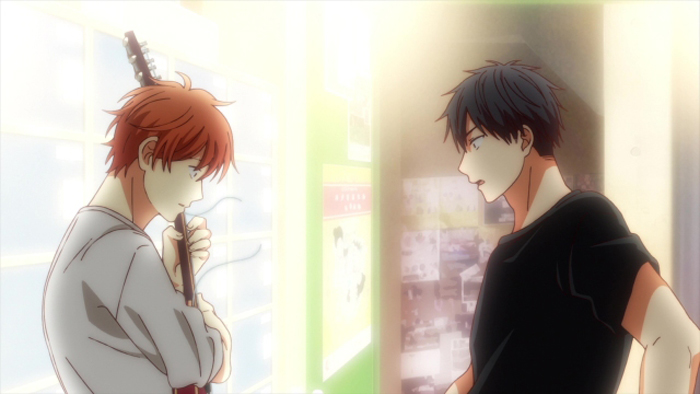
1. ‘Given’
Music has the power to heal and Given’s portrayal of this fact hits all the right notes. The 2019 anime by Studio Lerche narrates the story of Mafuyu Satou and his high school peer Ritsuka Uenoyama. With a passion for guitar, Mafuyu convinces Uenoyama to help him master the instrument—later joining his band as a lead singer. As Mafuyu falls in love with music, he falls in love with life again and learns how to let go of his dark past and embrace new chapters in life.
The anime is filled with screenshot-worthy quotes and music that will continue to live rent-free on your mind for years to come. The story also delves into the relationship between the band’s bassist Haruki Nakayama and drummer Akihiko Kaji who redefine queer joy one episode at a time.
2. ‘Yuri!!! on Ice’
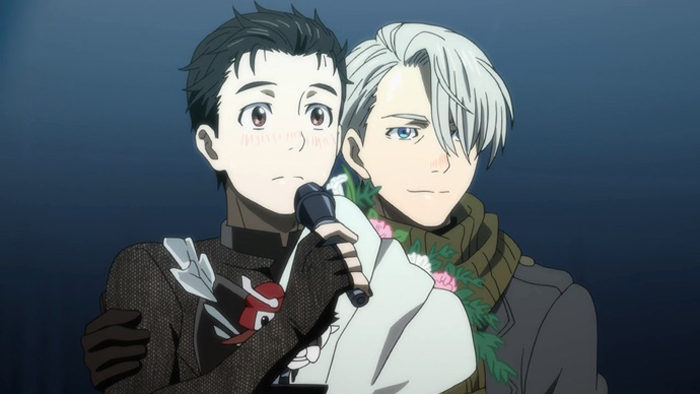
MAPPA’s Yuri!!! on Ice is probably one of the most famous figure skating anime out there today. The 12 episode-long sports series follows an up-and-coming Japanese figure skater named Yuuri Katsuki who gives up on his passion following his crushing defeat at the Grand Prix Final. Captivating his idol, Russian skater Victor Nikiforov, with his own rendition of the latter’s free skate programme, Yuuri is then coached by Nikiforov to rediscover his dreams and aspirations.
The sweet notes of respect, adoration and even humour between the two make the series a must-watch even if you’re not into the whole sports X shounen-ai genre. And believe me when I say this, Nikiforov is bound to end up as your phone wallpaper the moment you finish bingeing the anime. Season two, when?
3. ‘No. 6’
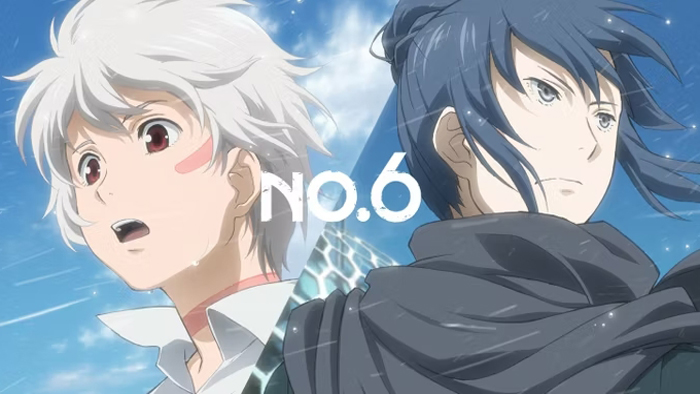
This 2011 adventure anime from Studio Bones tells the story of Shion—an intelligent boy who lives a privileged life within the walls of No. 6 (one of the six city states that was built after the world was ravaged by war)—and Nezumi, a convict who the former meets through a chance encounter. Over the course of 11 episodes, the leads build a romance that centres on respect, support and understanding, all within the framework of a dystopian society.
(Spoiler alert!) What’s more is that both Shion and Nezumi manage to make it out alive in the end, thereby flipping the bird to the ‘bury your gays’ trope that has gripped LGBTQ+ anime ever since its conception.